Why does wall thickness matter?
Walls that are too thin can fail during printing, finishing, or shipping. Recommended minimums differ by process and material.
Wall Thickness
Practical minimum wall thickness for FDM and SLA, plus tips to avoid collapse and failed prints.
Walls that are too thin can fail during printing, finishing, or shipping. Recommended minimums differ by process and material.
Often start at 1.0–1.5mm+ for FDM and about 0.8–1.0mm for small SLA/DLP features, then tune to geometry.
Tiny protrusions and lettering below process resolution can smear. Thicken critical details or adjust engraving depth.
When you upload to the WOW3D auto-quote, wall thickness is measured automatically and saved with your quote. Our FDM 1mm / SLA·DLP 0.8mm guidelines—and the stricter FDM 0.6mm / SLA·DLP 0.5mm print-risk thresholds—are used by our team during order review, and we contact you if needed. We don’t show a separate thin-wall warning on the customer quote screen.
Real Output
Parts we printed in-house on FDM, SLA and DLP machines. See more in the print gallery.

Bluetooth speaker housing
FDM · PLA
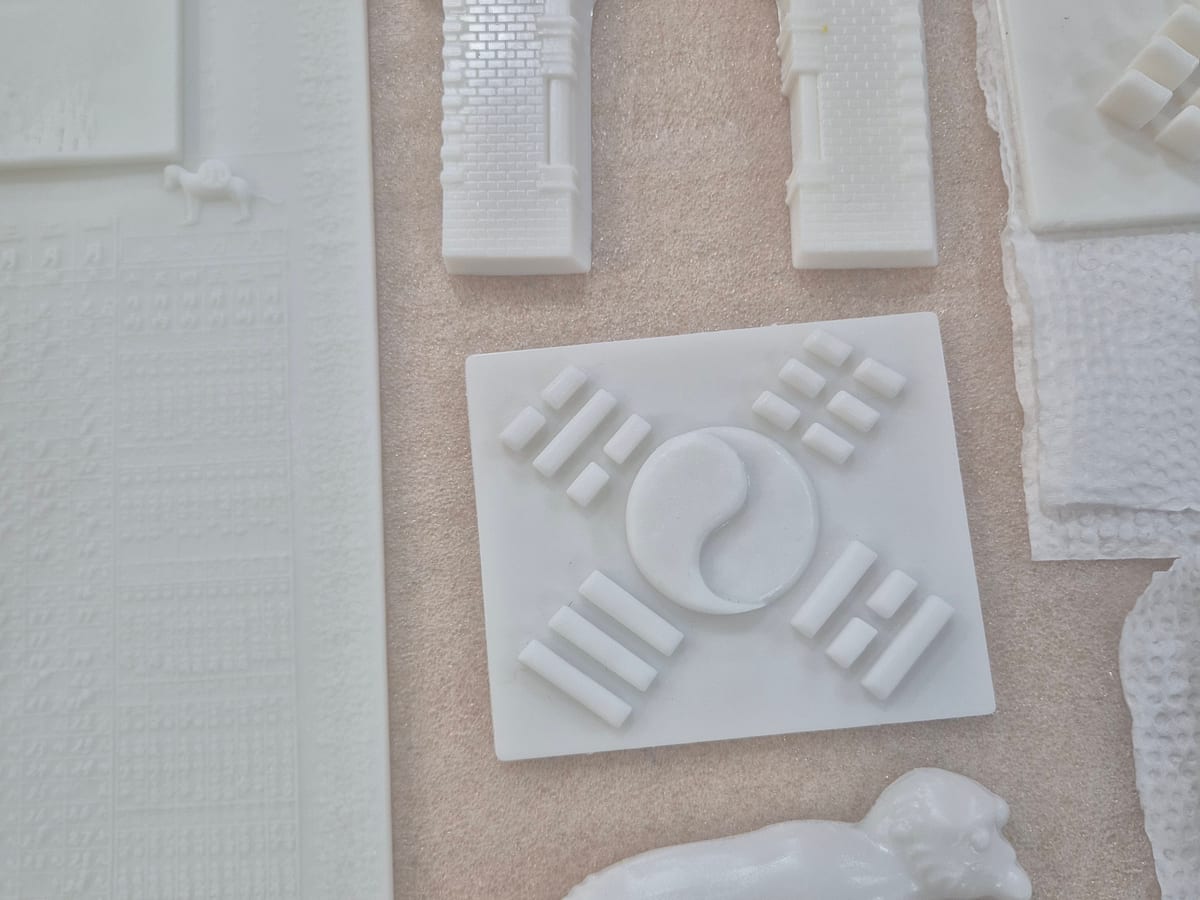
Museum exhibit models
SLA · White resin
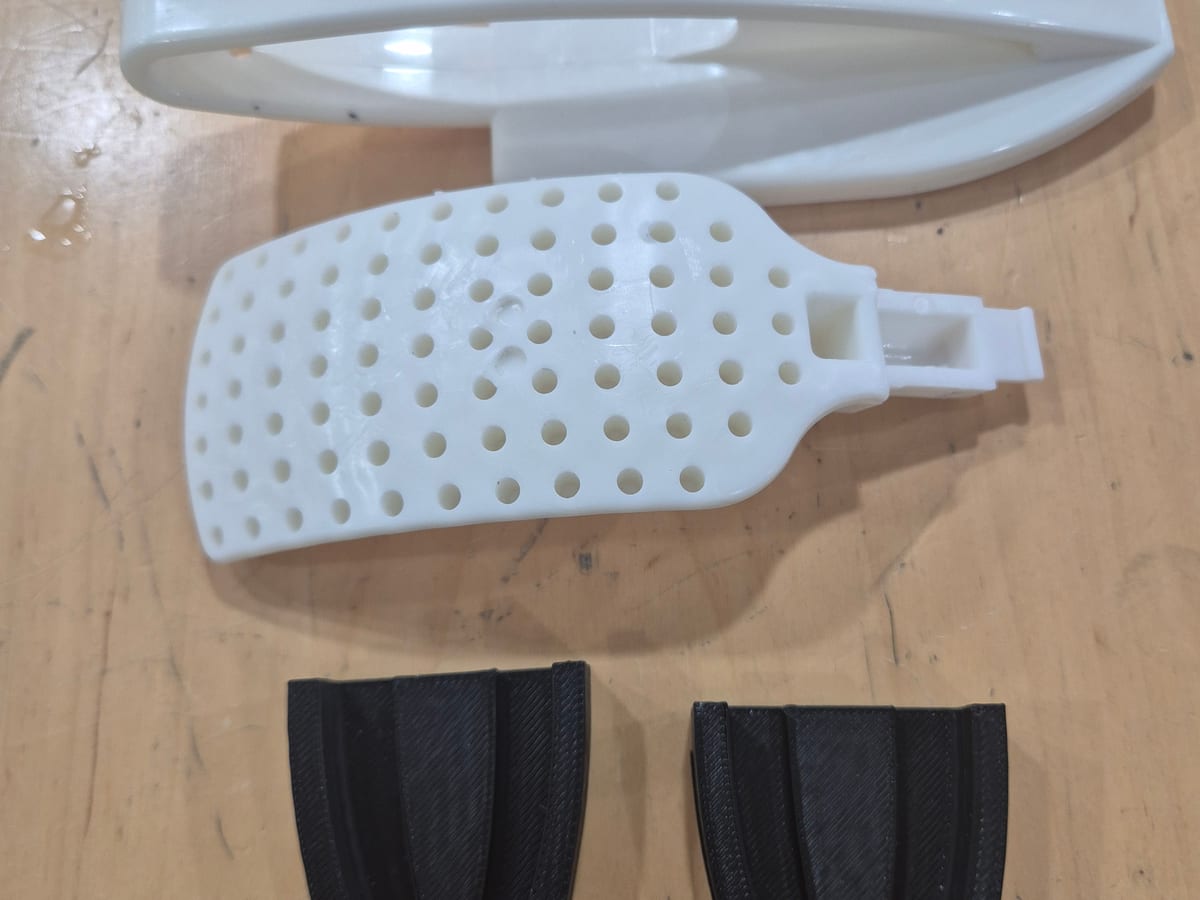
Shoe-brush production jig
FDM · ABS
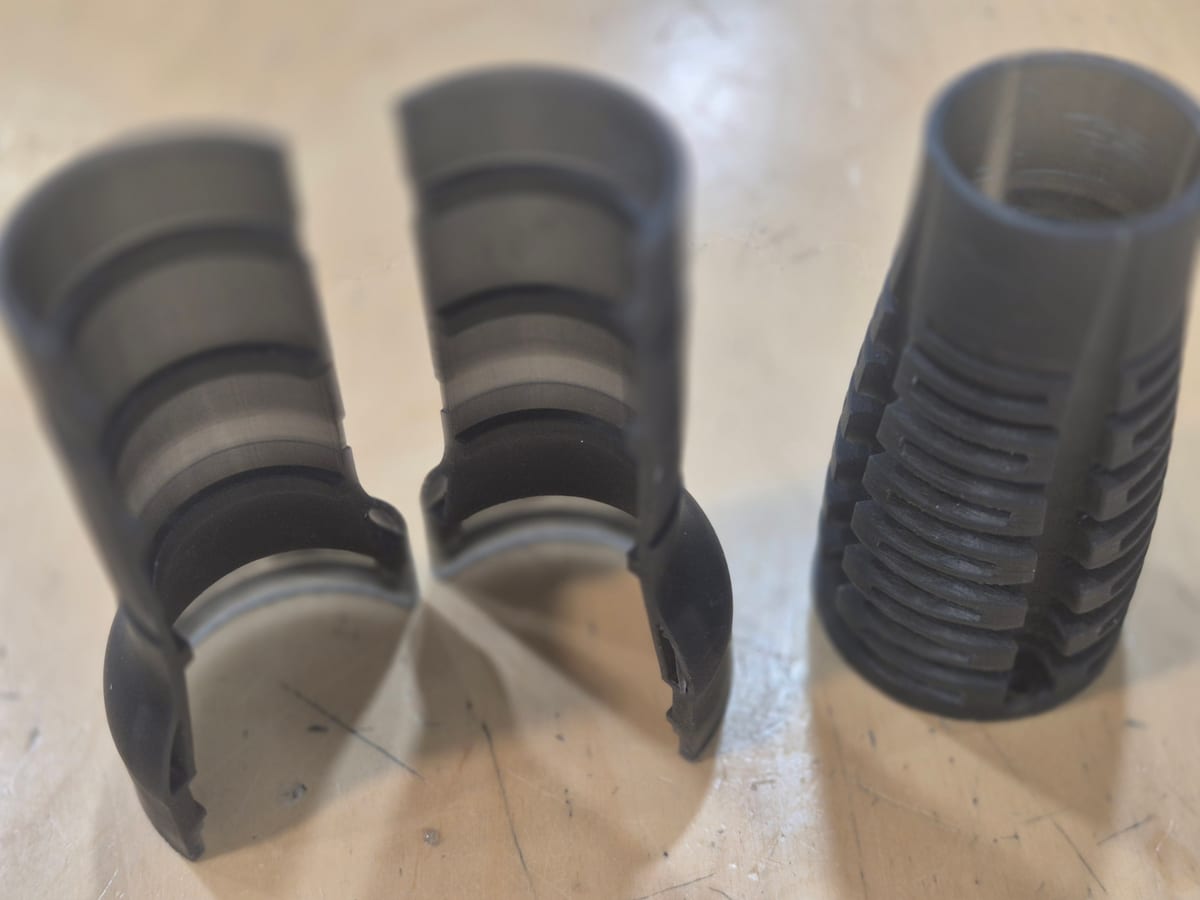
Flexible resin mechanism
DLP · Flexible resin
No separate thin-wall warning appears on the customer quote screen. Thickness is measured and saved automatically, and our team reviews thin areas during order inspection. Thickening the design or considering SLA/DLP still helps when you can.
Minimums are starting points. Add thickness for loads, assembly, and post-processing.
Clear resin optics change with thickness — tune for visual goals as well as strength.