Print process
FDM, SLA, and DLP use different machine rates and materials, so the same model can quote differently.
WOW3D auto quotes combine material cost, machine time, layer height, infill density, supports, and finishing. This page explains price and lead time in plain language—based on questions customers ask most.
Quick answer
A 3D printing quote adds material cost (filament or resin used), machine cost (print time × the hourly rate for the process) and options such as supports and post-processing. Lower layer heights (FDM 0.1 mm vs 0.2 mm) mean more layers and longer print time, and higher infill uses more material and time, so the price rises.
By Seo Jeongju, CEO of WOW3DLast updated First published
FDM, SLA, and DLP use different machine rates and materials, so the same model can quote differently.
Finer layers and higher infill increase material use and print time—and therefore price.
Machine time is a core quote driver and can vary widely with layer height and geometry.
3D printing cost is not size alone. Upload a file and WOW3D calculates volume, surface area, dimensions, process, layer height, infill, and finishing in real time.
Lower layer heights need more layers, so print time goes up. For example FDM at 0.1 mm needs more layers and longer machine time than 0.2 mm—better surface detail, often a higher quote.
WOW3D auto quotes combine material cost, machine time, layer height, infill, supports, and finishing. Time formulas and cost lines differ for FDM vs SLA/DLP.
Lower layers mean more layers for the same height, so print time increases. FDM at 0.1 mm needs more layers and longer machine time than 0.2 mm.
Infill is internal density. Higher infill uses more material and time—raising the quote—but can suit parts that need strength and durability.
Functional prototypes and durable parts usually fit FDM; surface quality and fine detail favor SLA or DLP. The best process depends on the goal, even for the same shape.
Most typical models quote quickly, but complex geometry, specialty materials, finishing, or file issues may need admin review and a revised quote.
Yes. Upload a product photo (JPG/PNG), generate an AI 3D model, then continue to auto quote. For tight dimensional or assembly tolerances, prefer STL or STEP.
Real Output
Parts we printed in-house on FDM, SLA and DLP machines. See more in the print gallery.
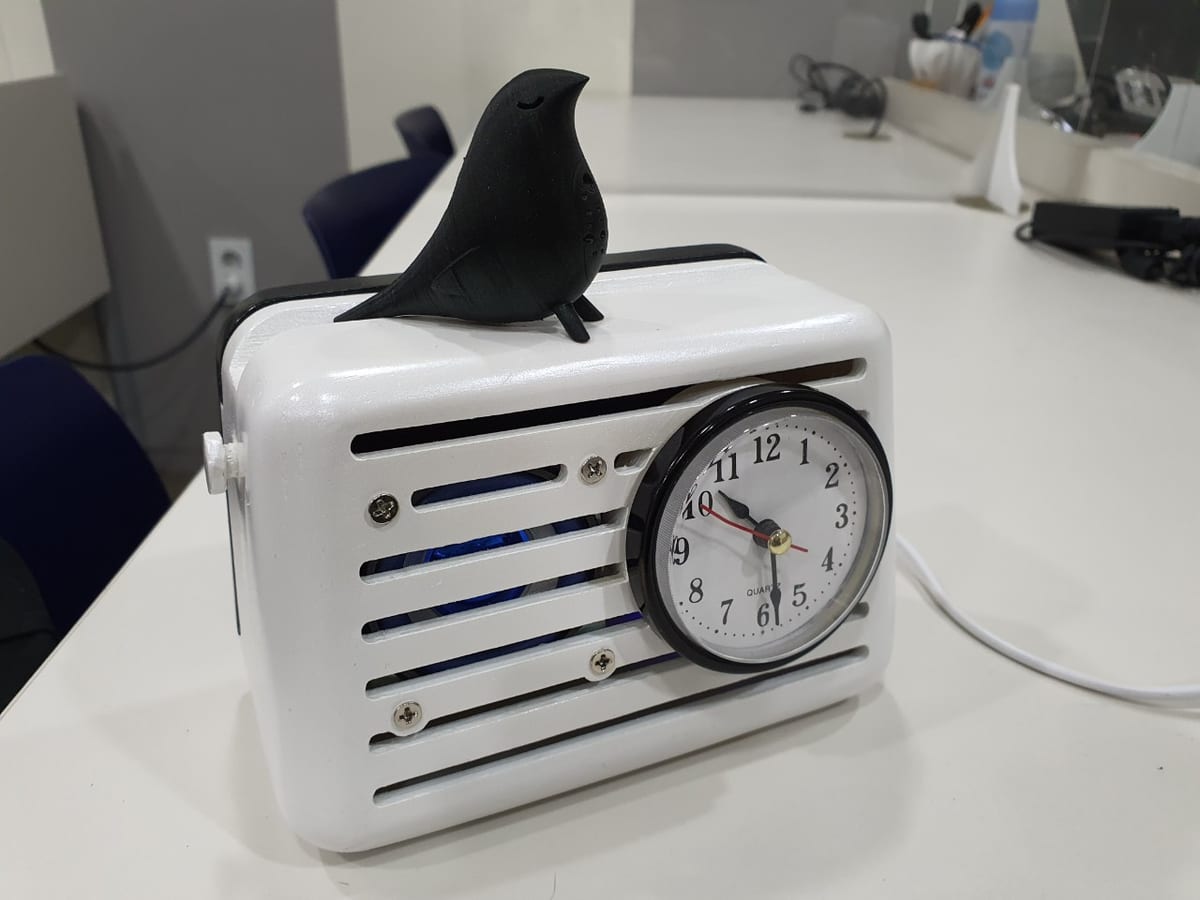
Bluetooth speaker housing
FDM · PLA
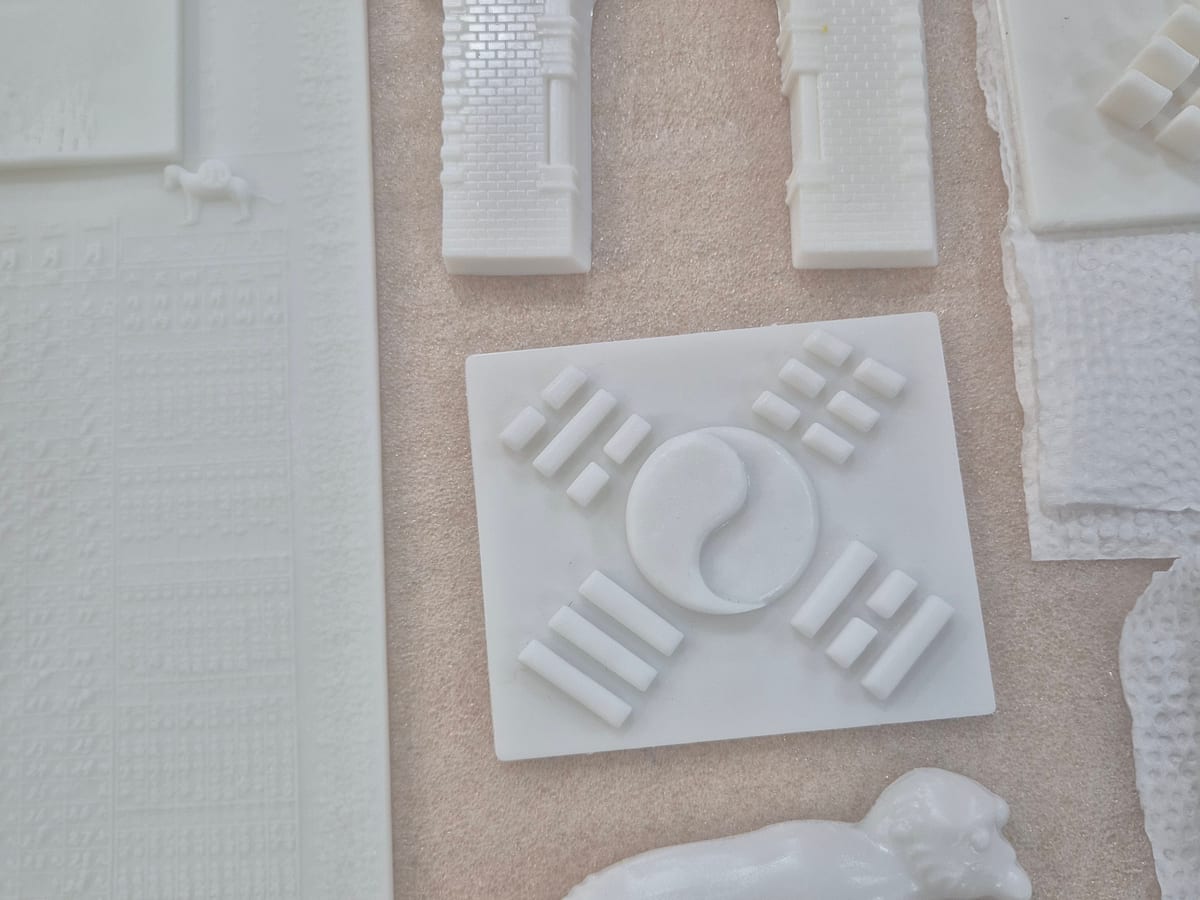
Museum exhibit models
SLA · White resin
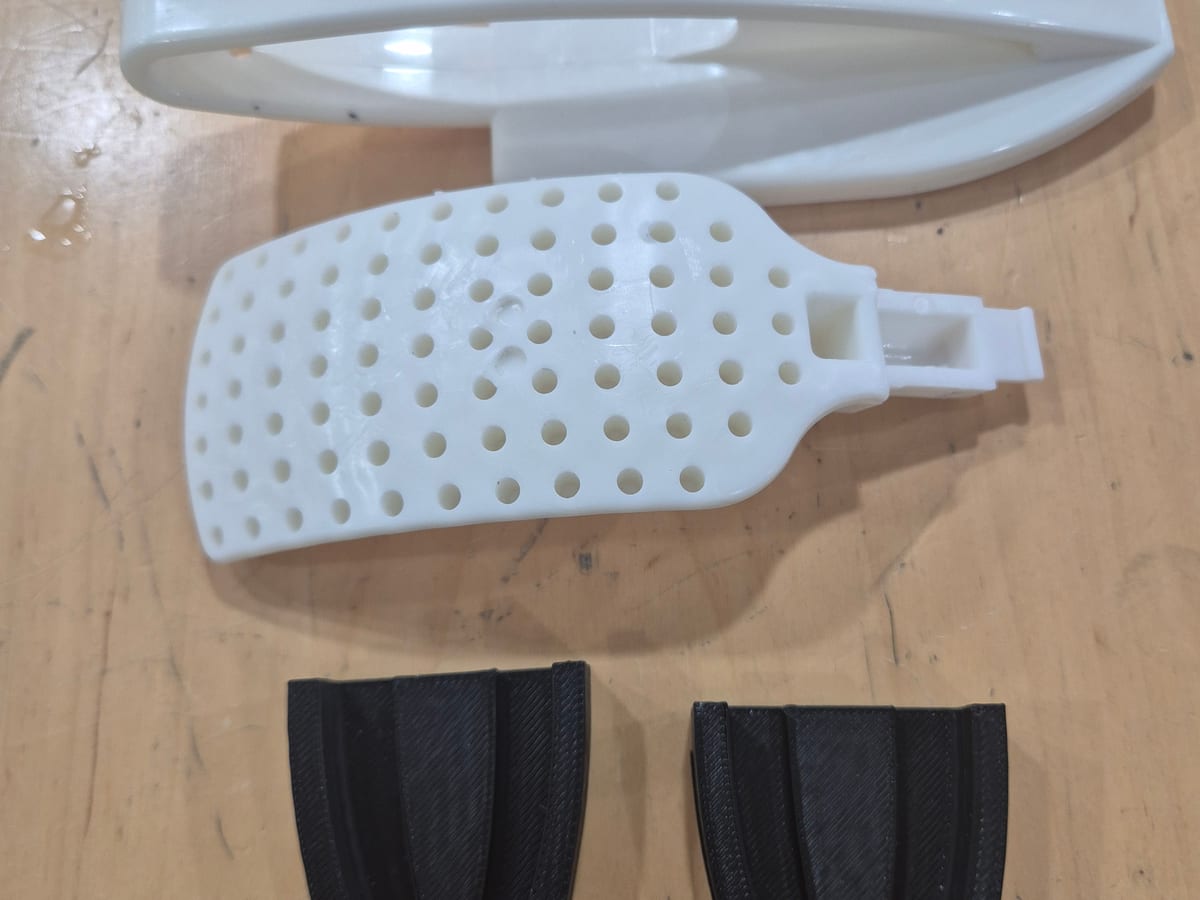
Shoe-brush production jig
FDM · ABS
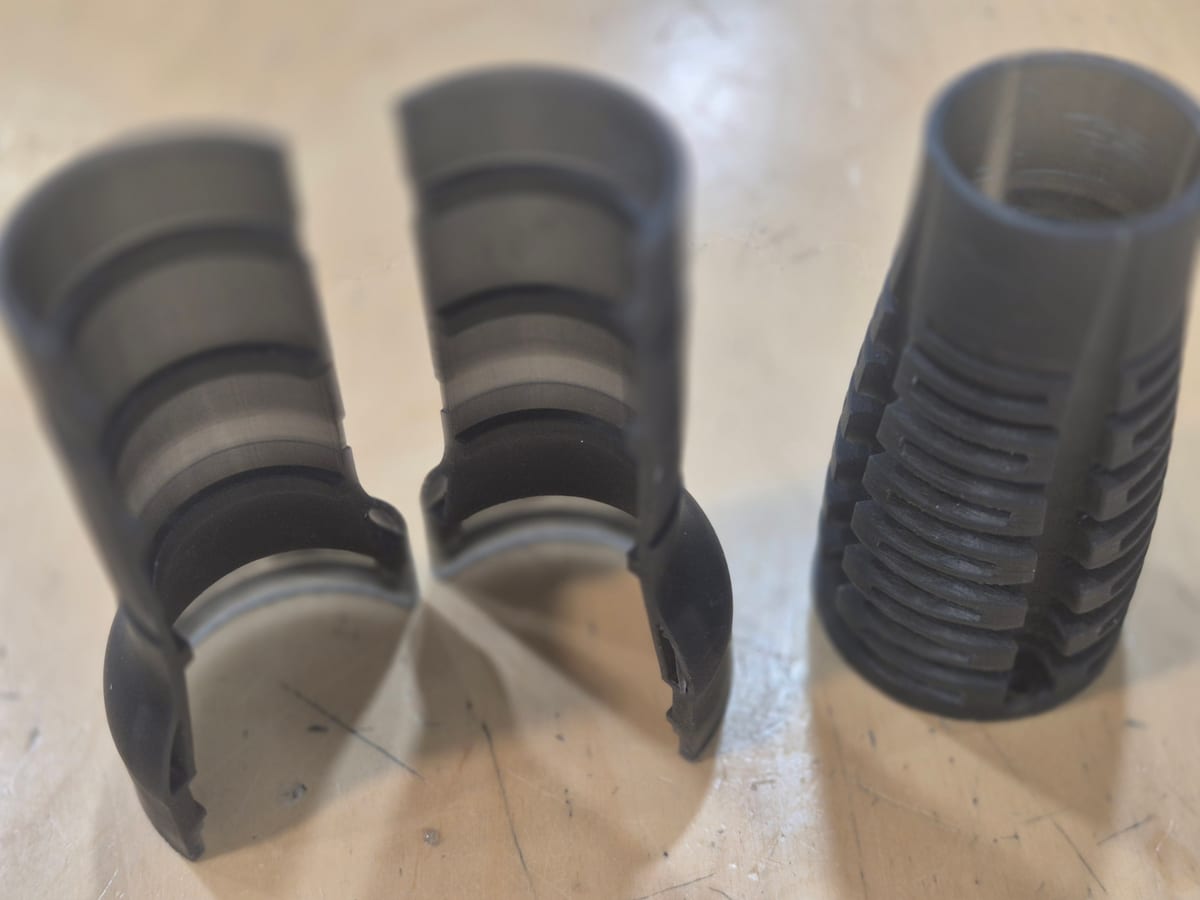
Flexible resin mechanism
DLP · Flexible resin