Why do 3D printed parts need tolerances?
Parts shrink/expand, have layer error, and shift in finishing. CAD-exact fits can be too tight or too loose.
Tolerance
Practical clearance and fit guidance for assembled parts across print processes.
Quick answer
Parts that fit together need clearance rather than exact CAD dimensions. A common starting point is 0.2–0.4 mm per face for FDM and 0.1–0.25 mm for SLA, and it is safest to print a small test coupon of critical joints before the final part.
By Seo Jeongju, CEO of WOW3DLast updated First published
Parts shrink/expand, have layer error, and shift in finishing. CAD-exact fits can be too tight or too loose.
Many teams test ~0.2–0.4mm per side on FDM and ~0.1–0.25mm on SLA. Always validate with coupons for material and size.
Print a small mating sample before the full part to lock clearance and reduce scrap cost.
Real Output
Parts we printed in-house on FDM, SLA and DLP machines. See more in the print gallery.
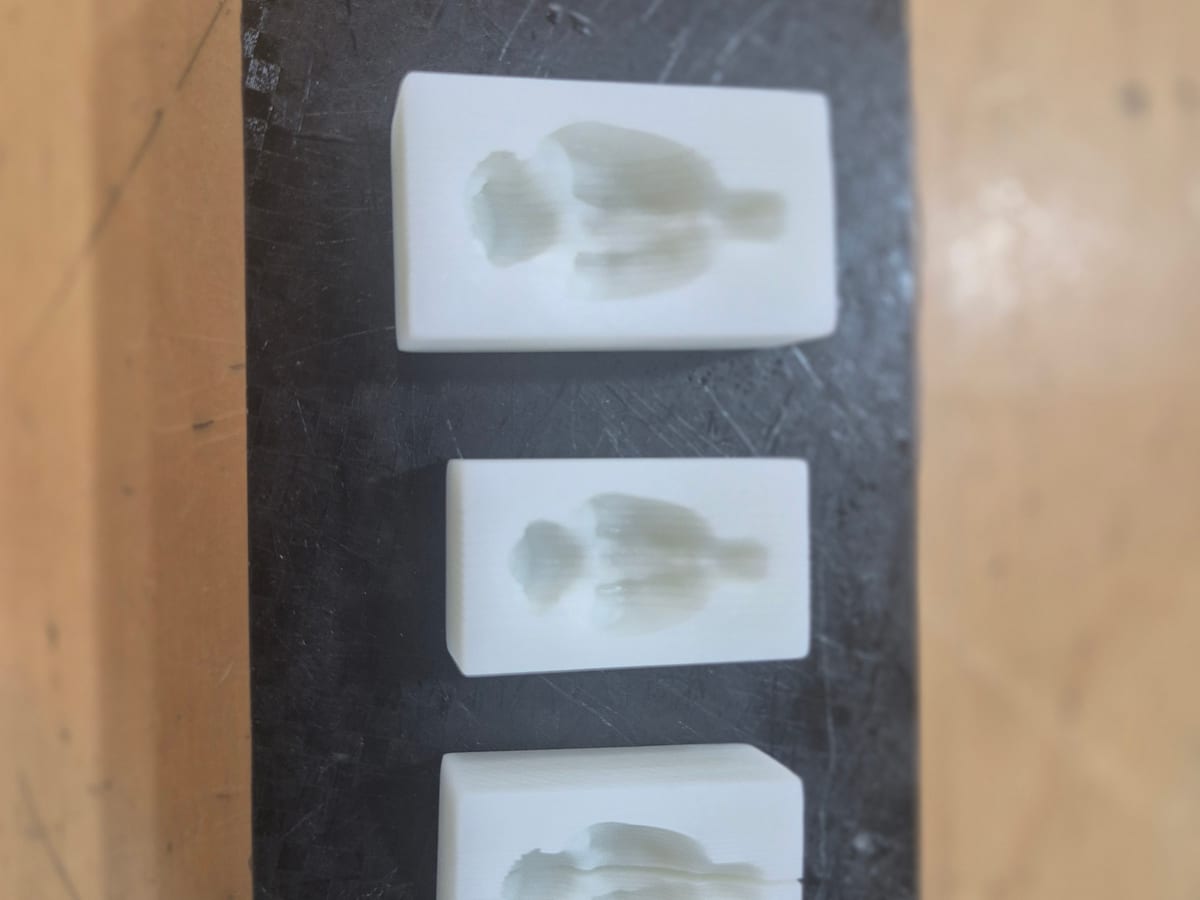
Micro precision part
SLA · Resin
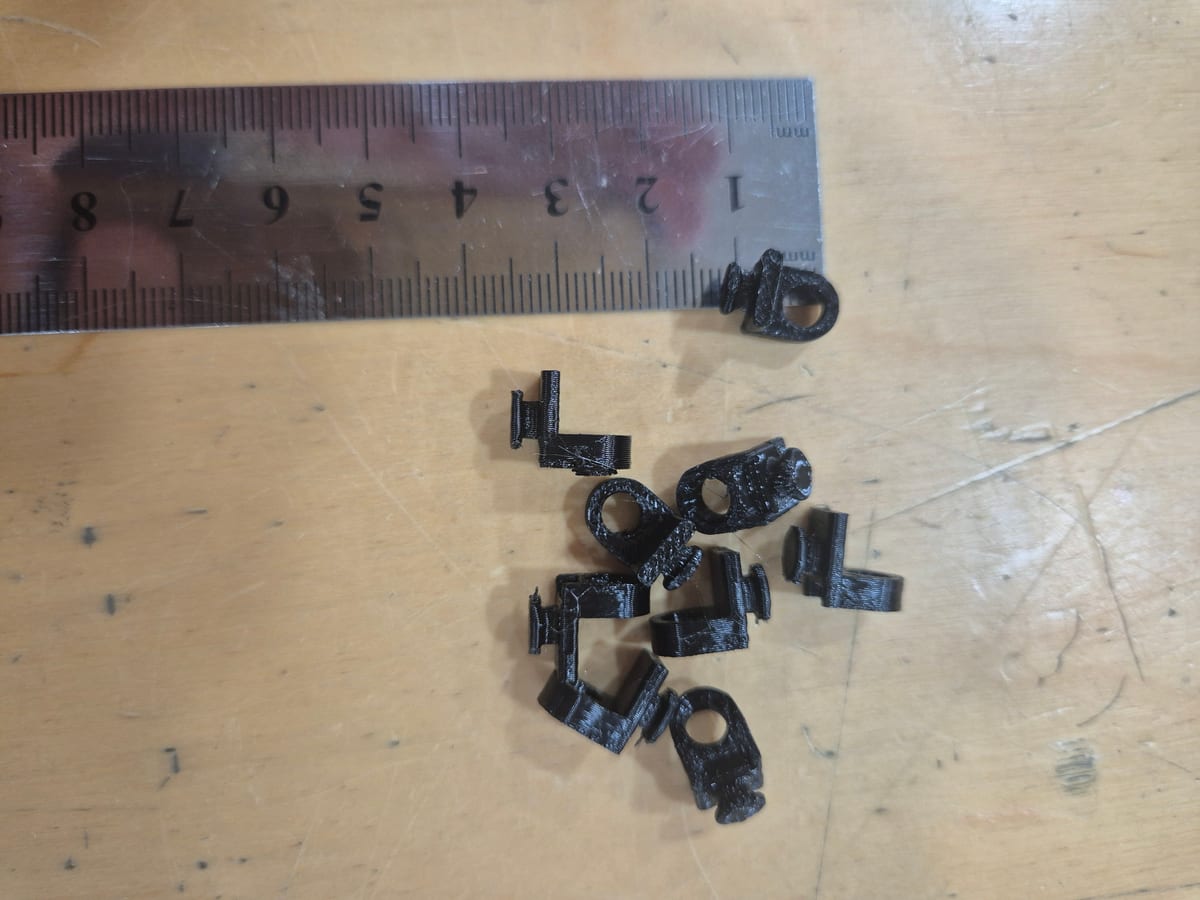
Small electronic components
FDM · PETG
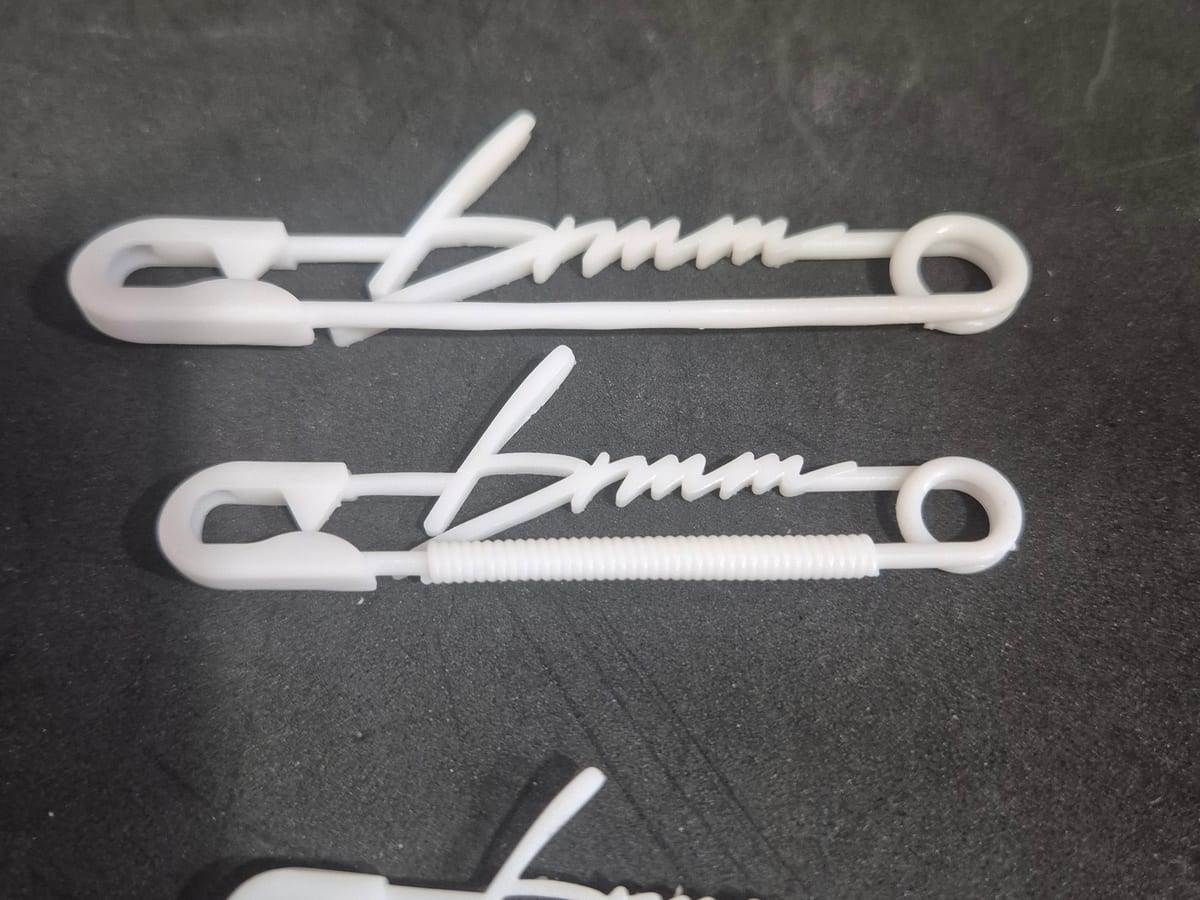
Fashion accessory
DLP · Resin

Bluetooth speaker housing
FDM · PLA
Usually you need more clearance than machining. Ultra-tight fits may need finishing or another process.
Tell us the target fit and mating method — we can help pick process and design clearance.