Default for functional housings: ABS
Strong for impact and heat when fastening or assembly tests matter. Good machinability and finishing make it common for housing prototypes.
Electronics housings, protective cases, and exterior covers need more than looks—assembly, impact, heat, and finishing matter too. This guide organizes the materials teams choose most often by purpose.
Quick answer
ABS is the default for functional housings thanks to its impact and heat resistance and easy post-processing. Choose PETG for a balance of strength and print stability, and Tough resin for small precise cases or detailed exteriors; housings under heavy load or heat are better in FDM materials.
By Seo Jeongju, CEO of WOW3DLast updated First published
Strong for impact and heat when fastening or assembly tests matter. Good machinability and finishing make it common for housing prototypes.
A good balance of strength, durability, and print stability for protective cases, covers, and general exterior parts—often easier to print than ABS.
Useful for small precision cases or detail-critical exteriors. For heavy load or heat, FDM materials are often a better fit.
If heat resistance, assembly, and finishing matter most, ABS is often better. For print stability plus balanced durability, PETG is a strong choice.
If dimensional accuracy and surface quality come first, Tough resin can help. For repeated fastening or impact resistance, prefer ABS or PETG.
Yes. Appearance mockups can use PLA or Standard resin, but protective cases and housings for real use usually need stronger options like PETG, ABS, or Tough resin.
Real Output
Parts we printed in-house on FDM, SLA and DLP machines. See more in the print gallery.
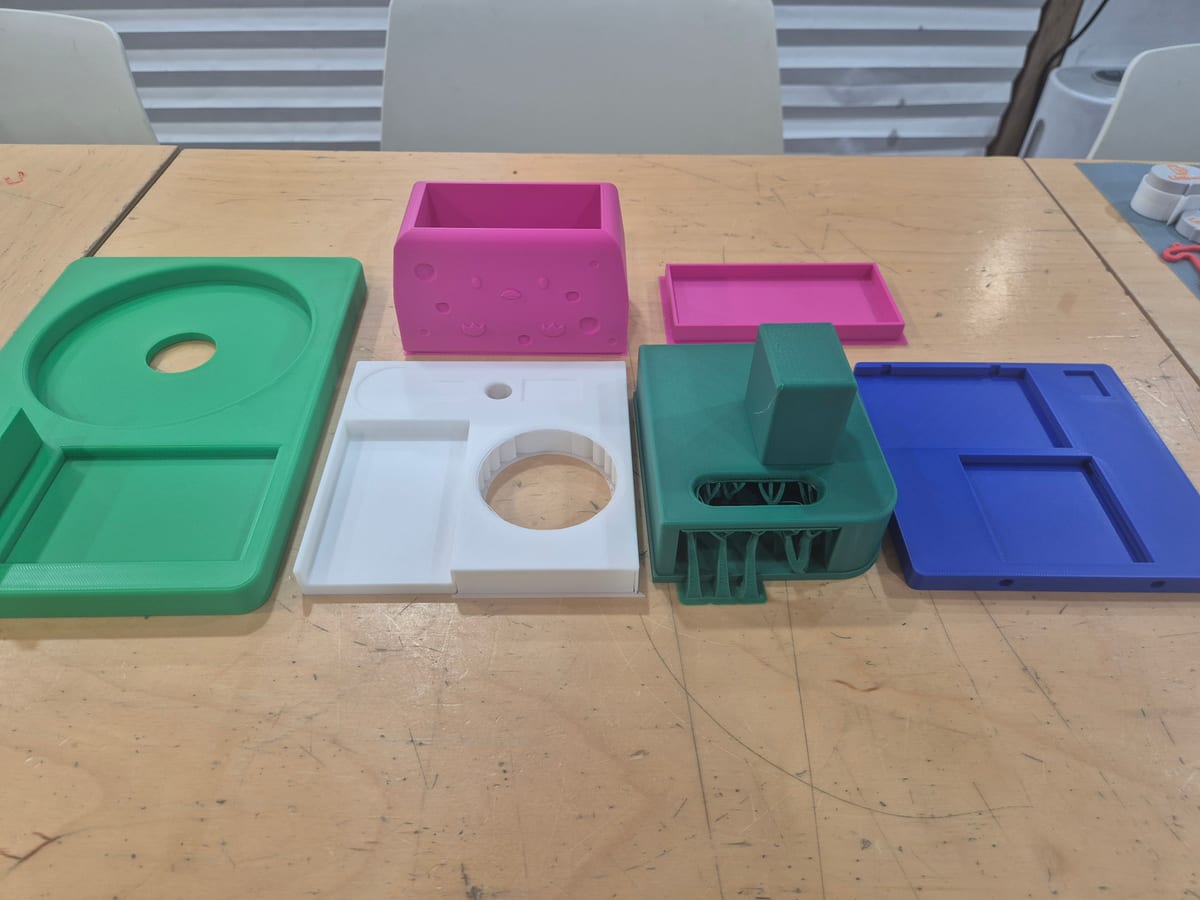
Arduino product enclosure
FDM · PLA
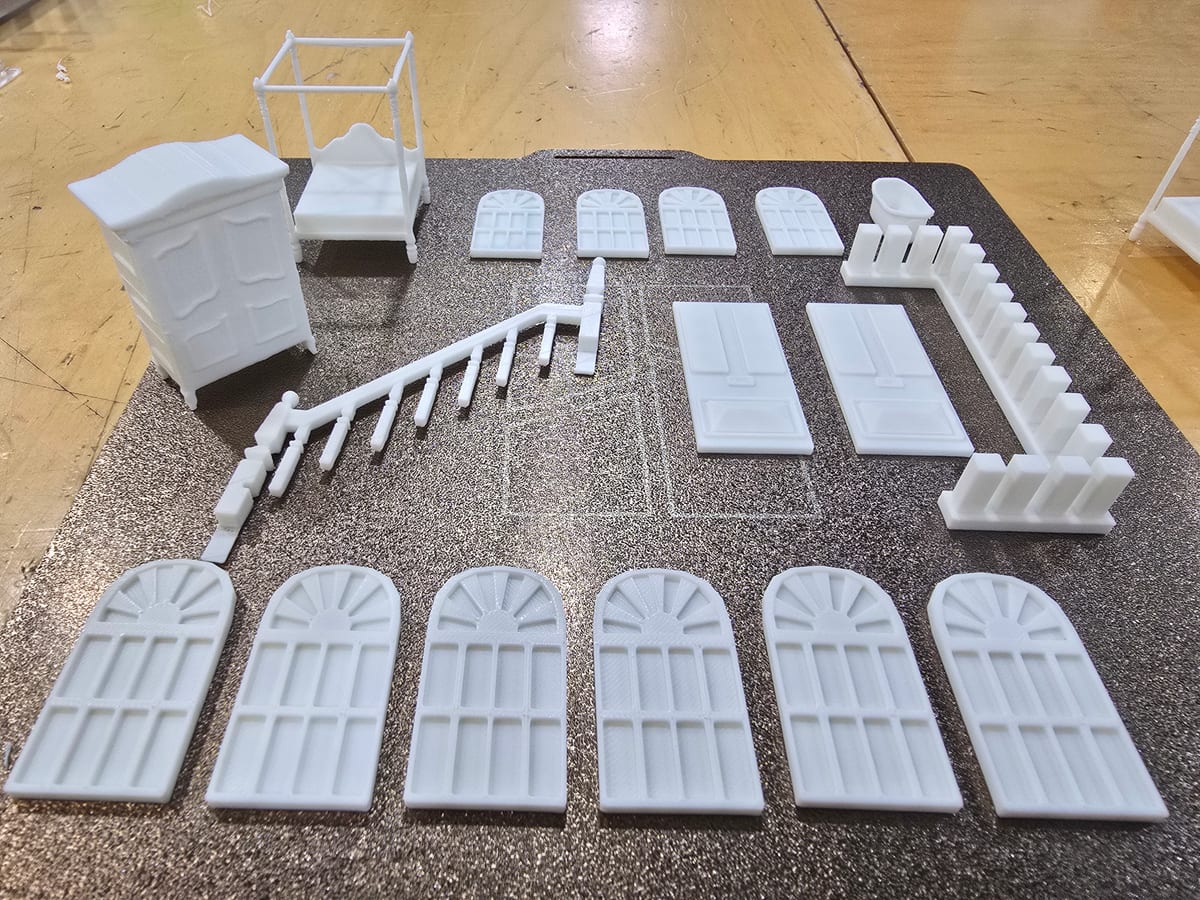
Architecture graduation model parts
FDM · PLA
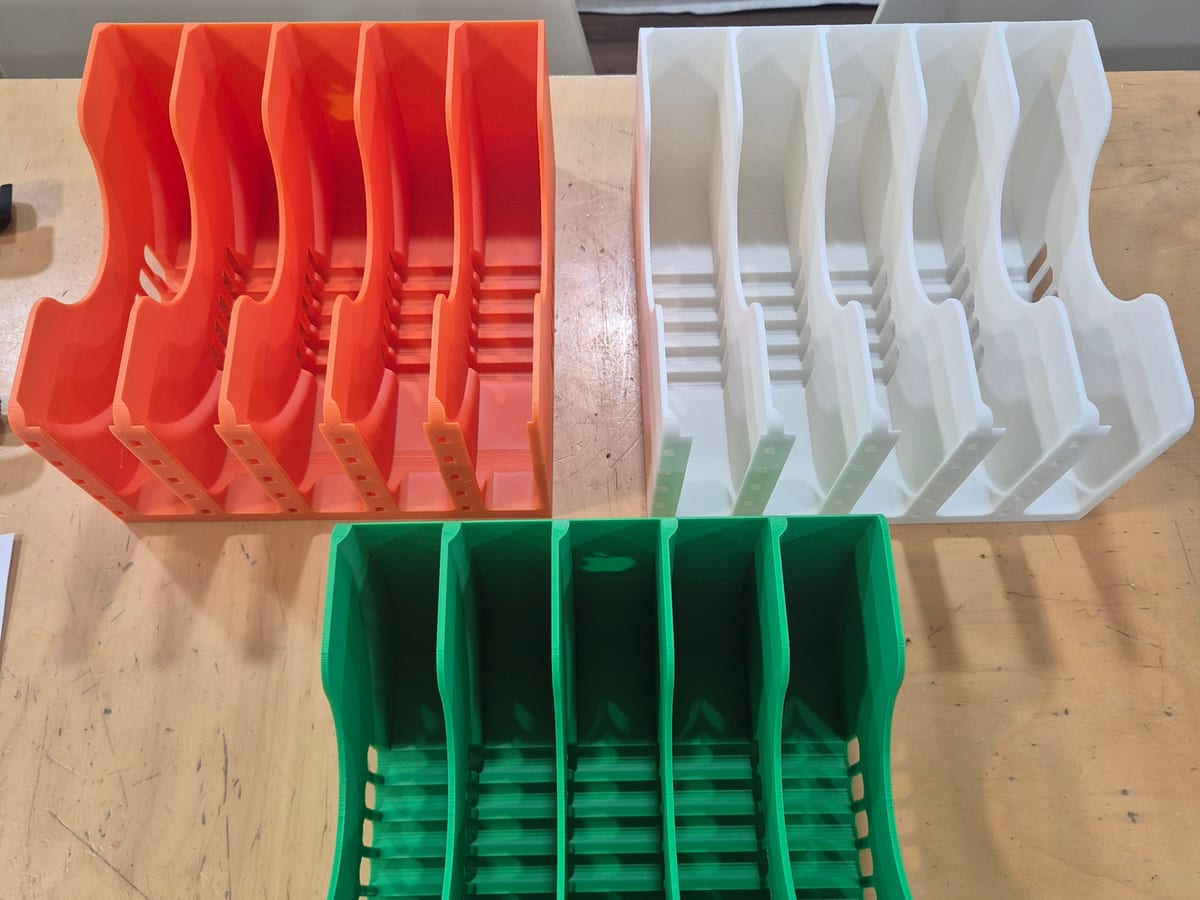
Mac mini storage tray
FDM · PLA
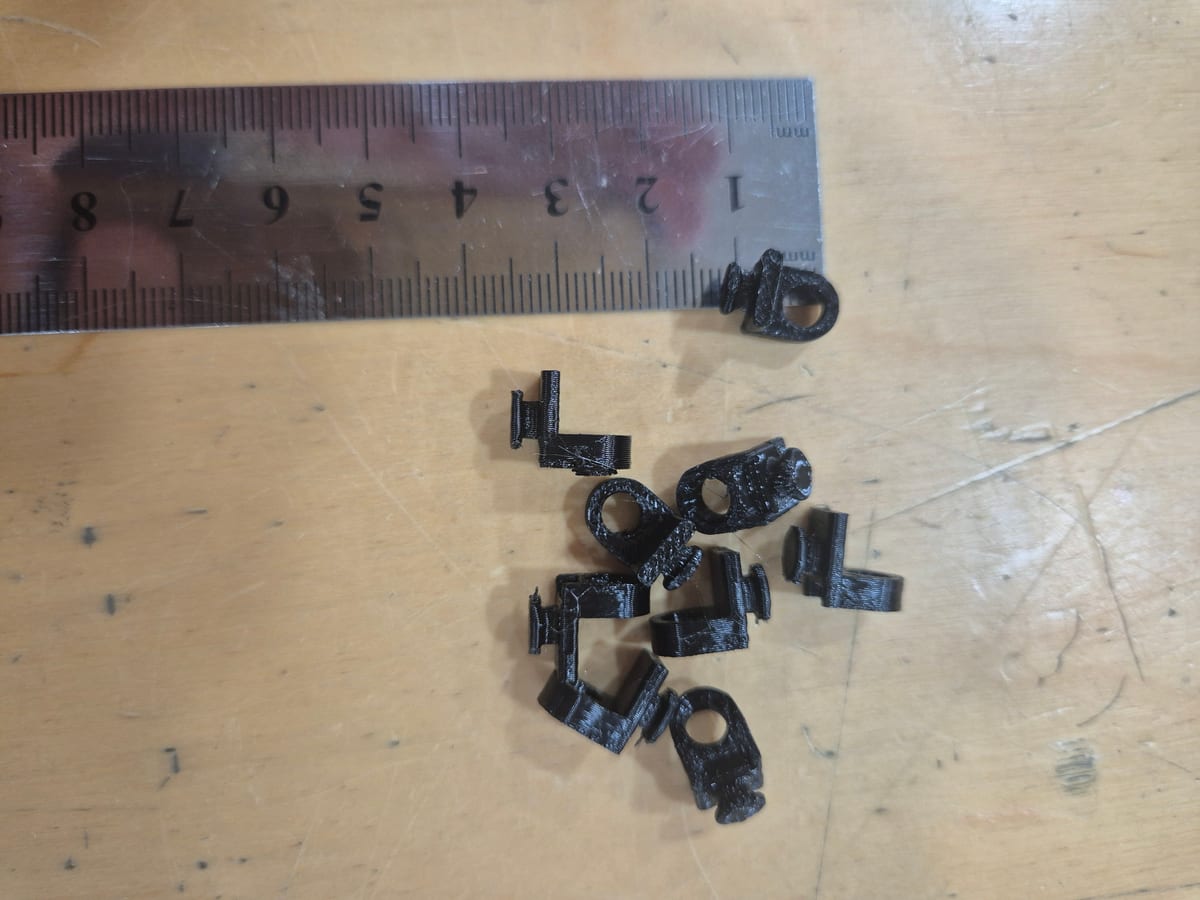
Small electronic components
FDM · PETG