Use Case
Appearance prototypes
PLA or Standard resin
Best when speed and visual checks matter. Common for form review, design confirmation, and display mockups.
The right 3D printing material depends on whether you need looks, assembly fit, or functional review. This guide organizes the criteria teams compare most often by purpose.
Quick answer
Pick prototype materials by purpose: PLA or Standard resin for visual checks, ABS or Tough resin for assembly tests, PETG for general functional prototypes, and Clear resin for transparent covers and windows.
By Seo Jeongju, CEO of WOW3DLast updated First published
Use Case
PLA or Standard resin
Best when speed and visual checks matter. Common for form review, design confirmation, and display mockups.
Use Case
ABS or Tough resin
Better when fit, fastening, or load checks matter. Useful for functional review and structural tests.
Use Case
PETG
Stronger than PLA and easier to print than ABS—often chosen for general functional prototypes.
Use Case
Clear resin
Best when visibility and transparency matter—observation windows, covers, and visual-check parts.
It depends on the goal. Appearance prototypes often use PLA; parts that need durability usually use PETG or ABS.
No. For size and form only, economical options with good surface quality—like PLA or Standard resin—are often more efficient.
Often yes for repeated fastening, housing tests, and functional review—ABS or PETG FDM parts are a common fit. For precise fit checks, Tough resin can also work well.
Real Output
Parts we printed in-house on FDM, SLA and DLP machines. See more in the print gallery.
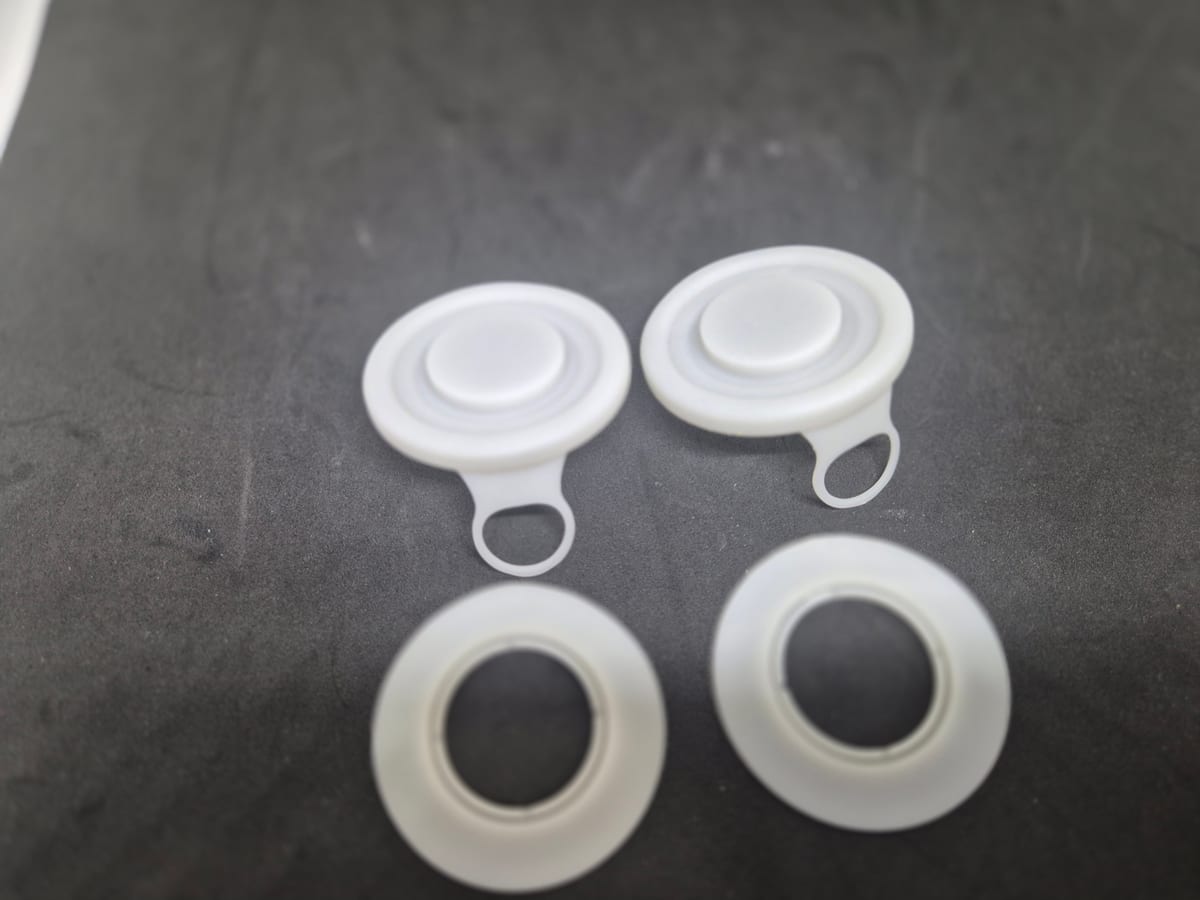
Bottle cap prototype
DLP · White resin
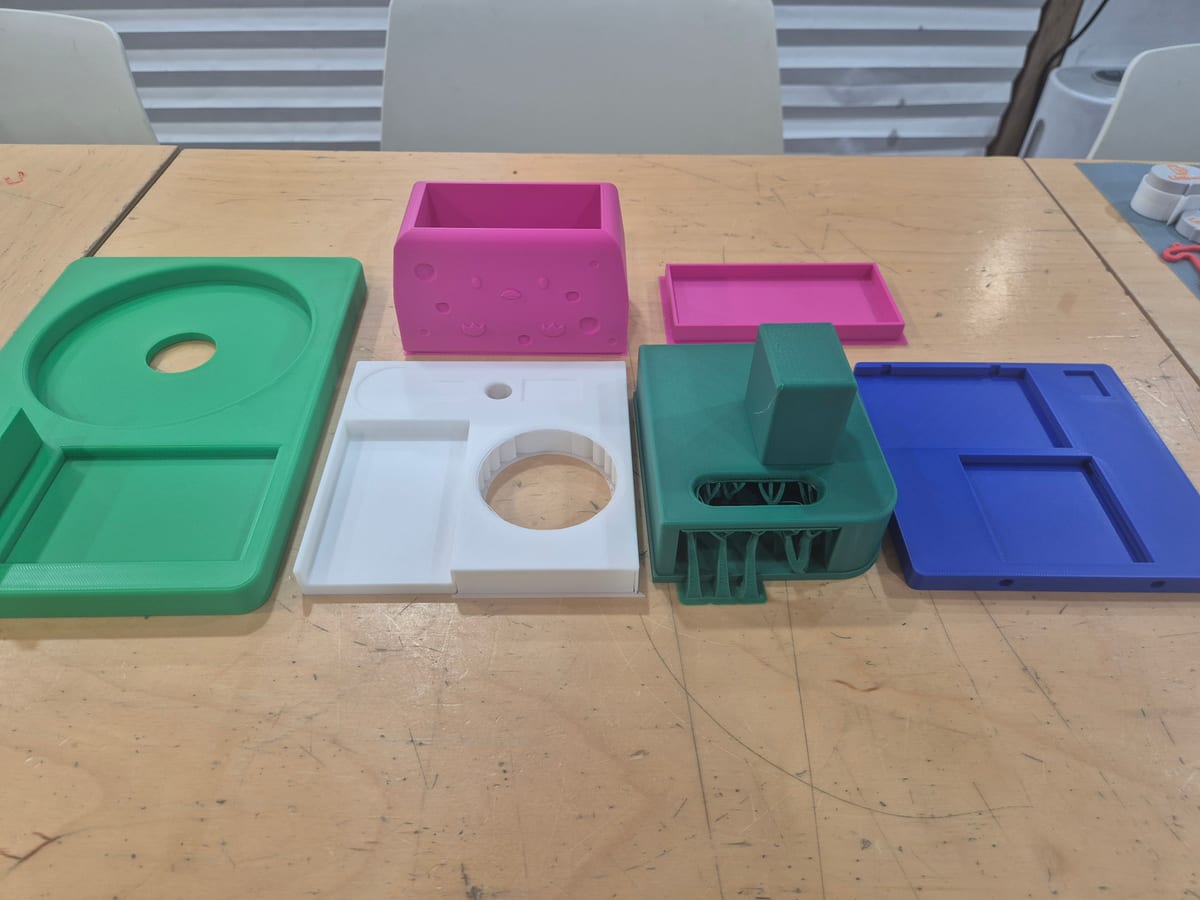
Arduino product enclosure
FDM · PLA
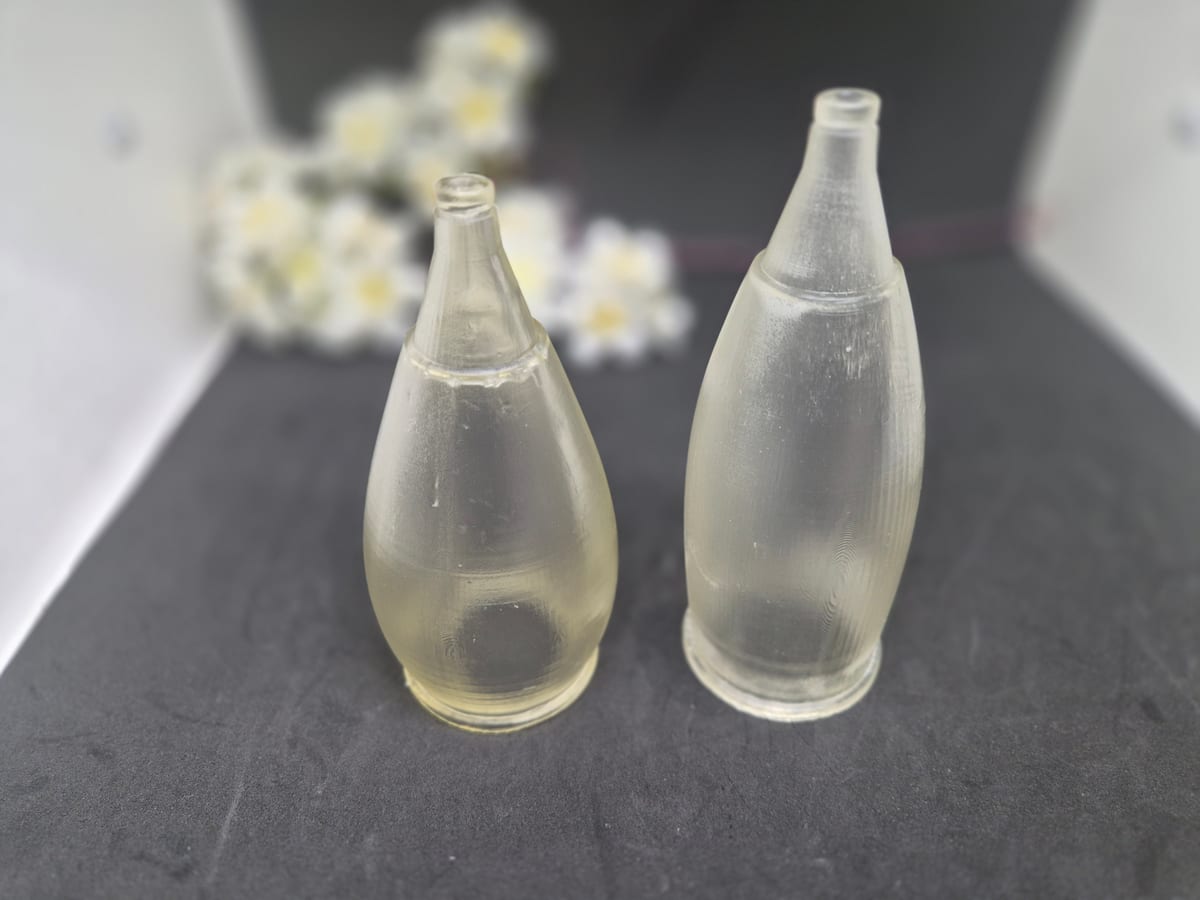
Clear bottle prototype
DLP · Clear resin
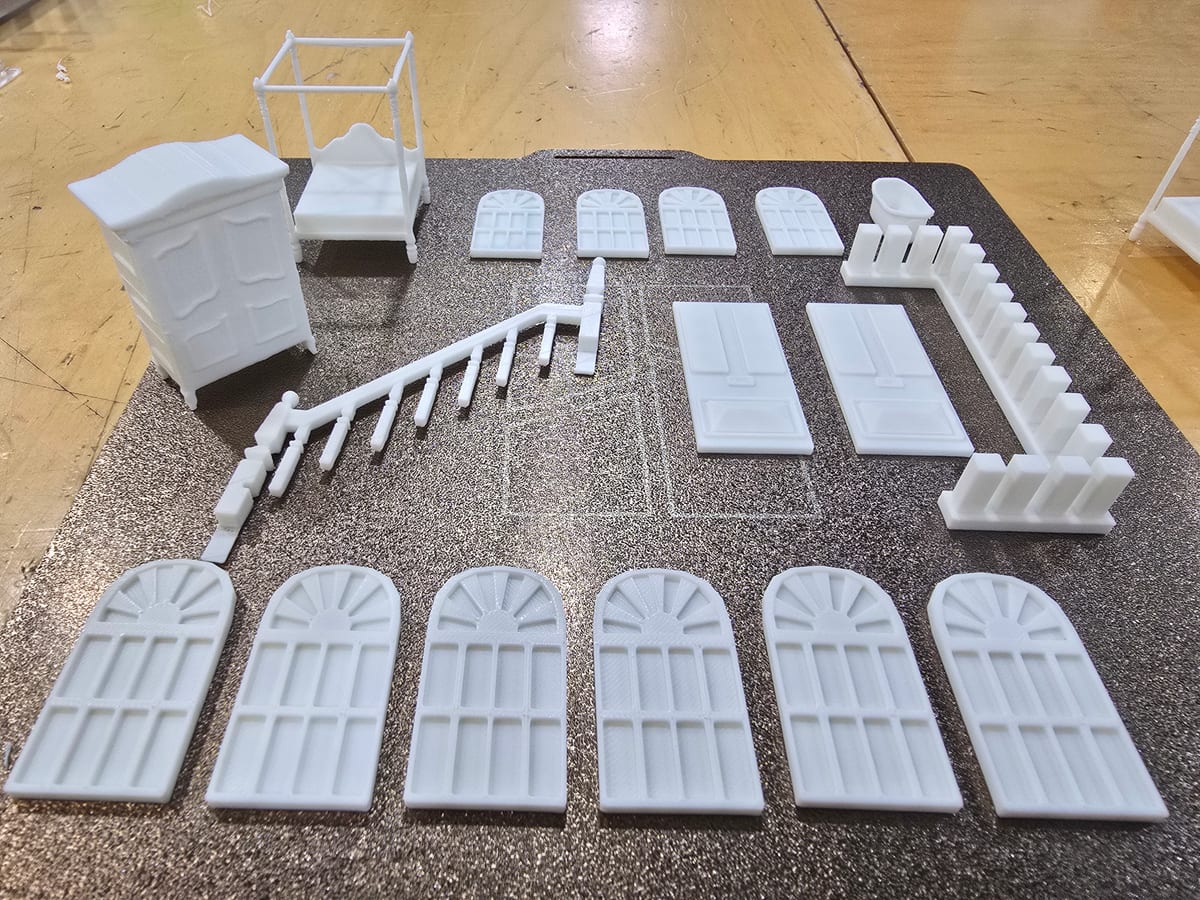
Architecture graduation model parts
FDM · PLA