Most common pick: Standard resin
Used most when fine detail, smooth surfaces, and small features matter—figurines, miniatures, dioramas, and appearance models.
Miniatures, figurines, and dioramas live or die on surface quality and fine detail. This guide organizes which materials fit appearance-first models by purpose.
Quick answer
For figures and miniatures where fine detail and smooth surfaces matter, Standard resin is the usual choice and takes paint well. Use Clear resin for transparent or translucent parts, and PLA for low-budget large display mock-ups where overall form matters more than fine detail.
By Seo Jeongju, CEO of WOW3DLast updated First published
Used most when fine detail, smooth surfaces, and small features matter—figurines, miniatures, dioramas, and appearance models.
Useful for transparent or translucent precision parts—windows, optical effects, and accessories where visibility matters.
Consider PLA when you care more about large form checks and display mockups than fine detail. Surface quality and micro-features are more limited than resin.
Usually yes. Small detail and smooth surfaces matter, so Standard resin or similar precision resins are often the better fit.
Standard resin is generally the safest default. Easy surface prep and strong detail make primer and paint workflows smoother.
Yes if fine sculpting is not the point. When large form checks, display mockups, and budget matter more, PLA can be efficient.
Real Output
Parts we printed in-house on FDM, SLA and DLP machines. See more in the print gallery.
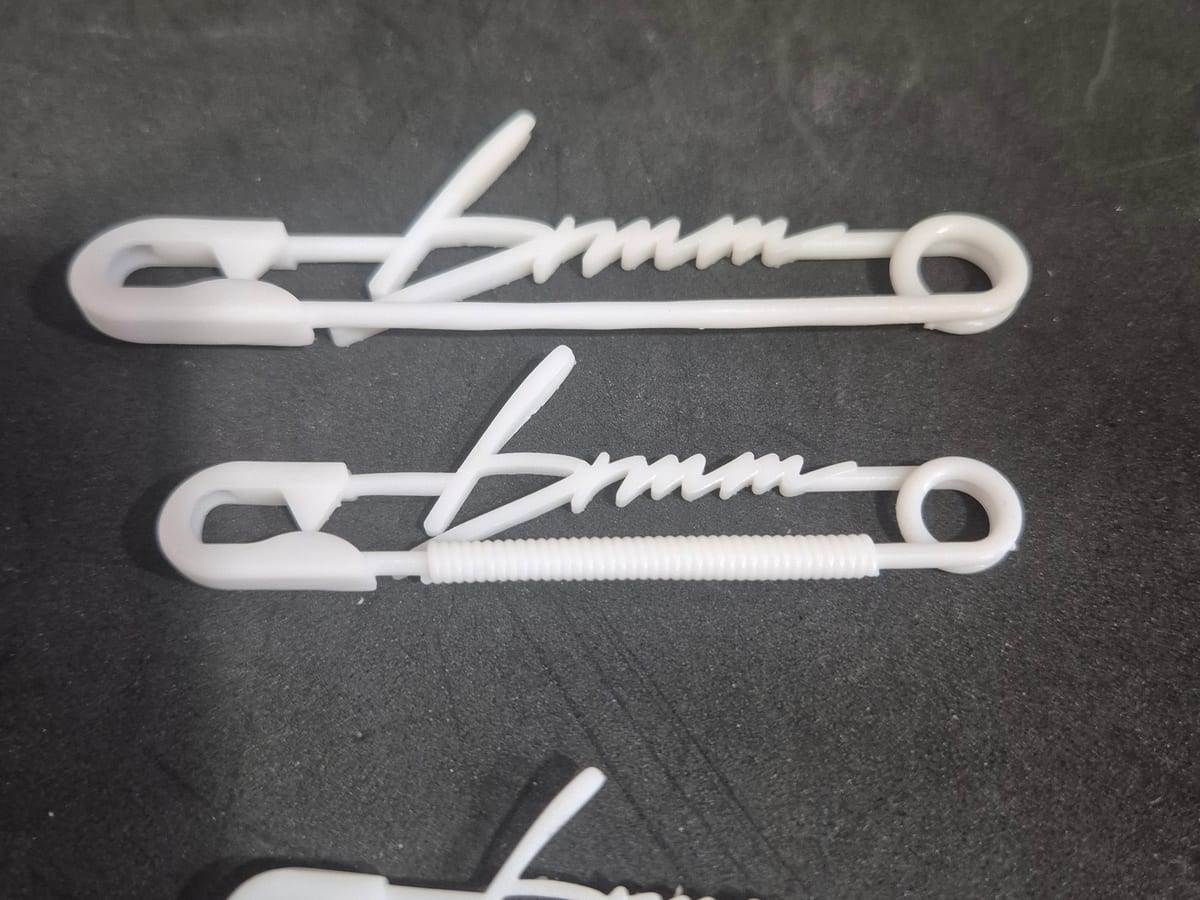
Fashion accessory
DLP · Resin
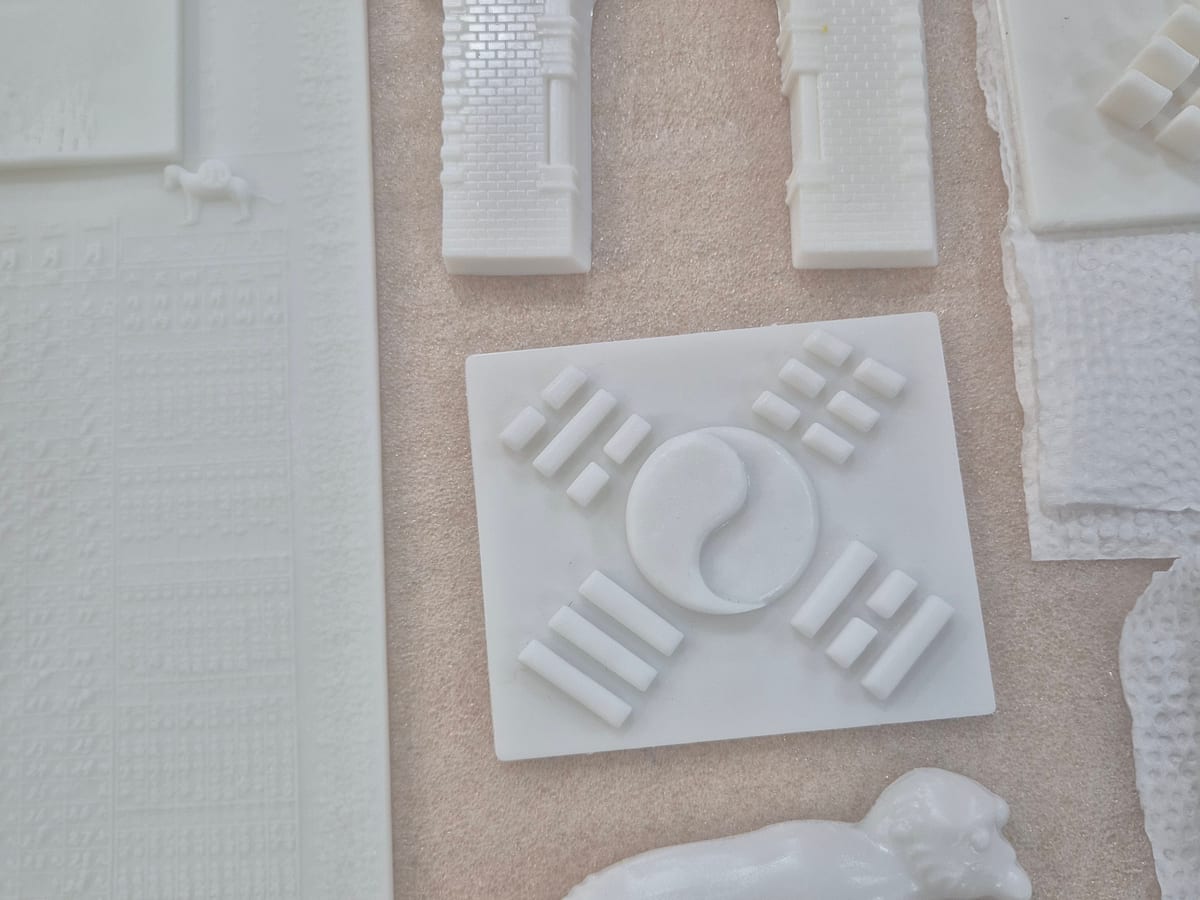
Museum exhibit models
SLA · White resin
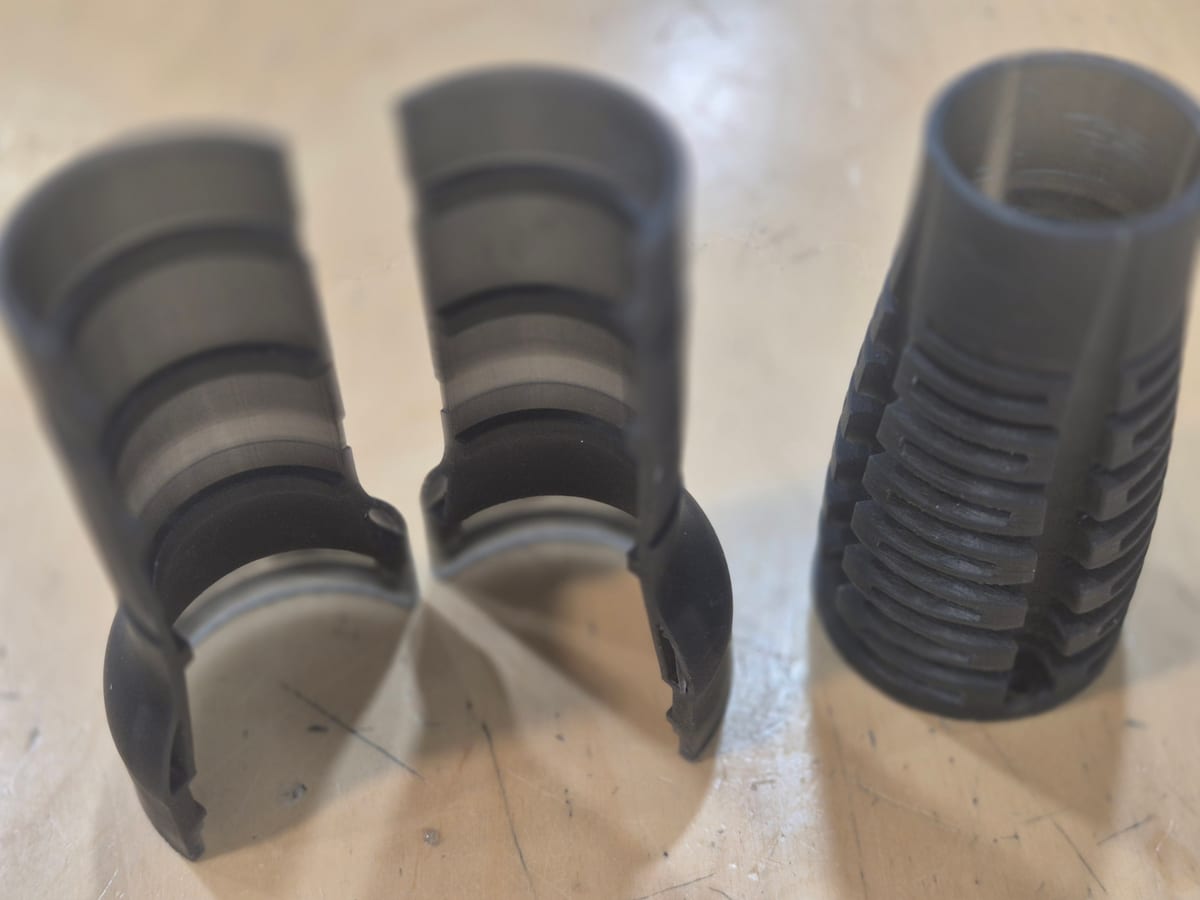
Flexible resin mechanism
DLP · Flexible resin
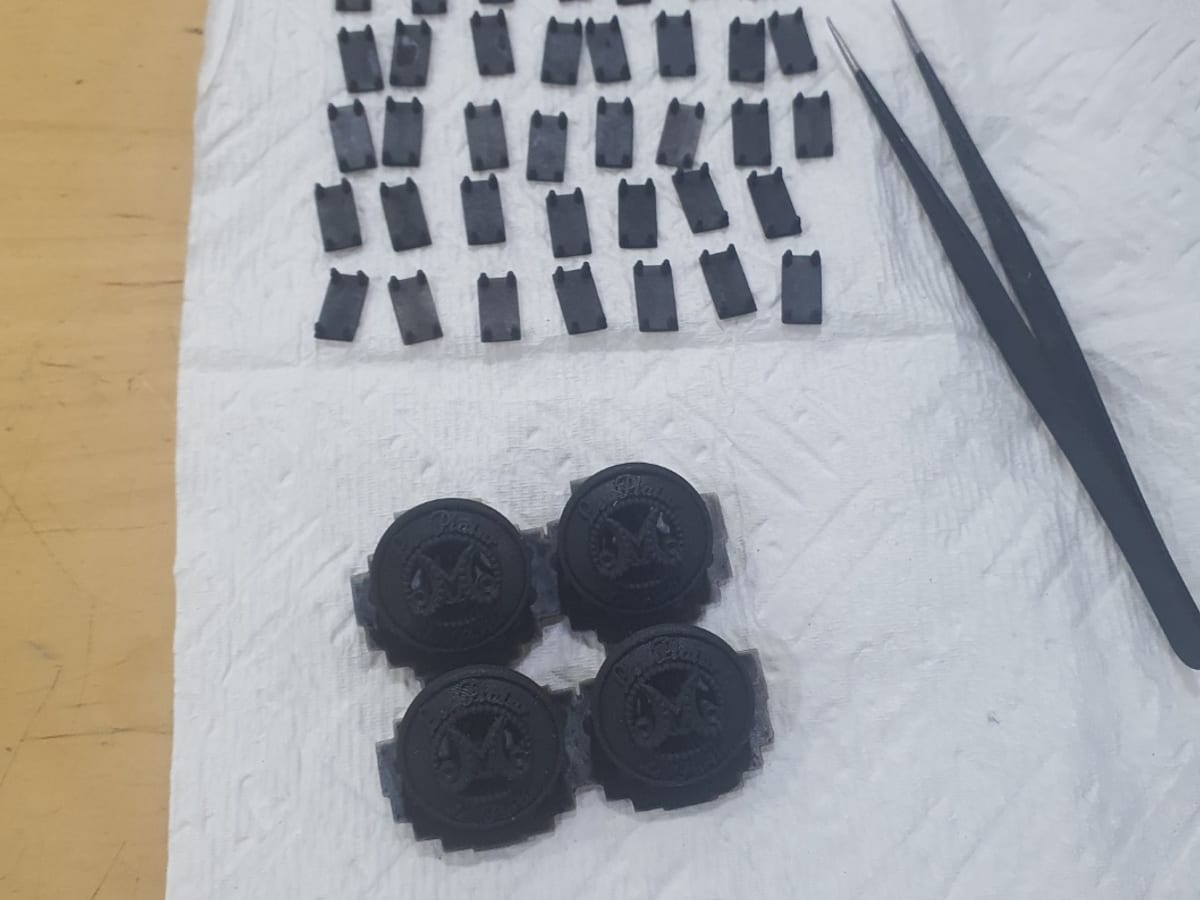
Garment buttons and jig
DLP · Black resin