Raise layer height when fine detail is not required
For FDM, ~0.2mm layers often cut print time and machine cost when ultra-fine finish is not needed.
Cost Saving
Practical ways to reduce quotes by tuning layer height, infill, supports, material, and split printing.
Quick answer
The fastest way to lower a 3D printing price is to reduce infill and raise the layer height. For visual prototypes, 15–20% infill and an FDM layer height around 0.2 mm are often enough; orienting the part to need less support and choosing a fit-for-purpose material such as PLA or Standard resin cuts cost further.
By Seo Jeongju, CEO of WOW3DLast updated First published
For FDM, ~0.2mm layers often cut print time and machine cost when ultra-fine finish is not needed.
Visual prototypes often work at 15–20% infill. Raise infill only for load-bearing functional parts.
Heavy overhangs add support material and cleanup time. Reorienting can lower cost.
For look-and-feel checks, PLA or Standard resin is often enough instead of expensive engineering materials.
Real Output
Parts we printed in-house on FDM, SLA and DLP machines. See more in the print gallery.
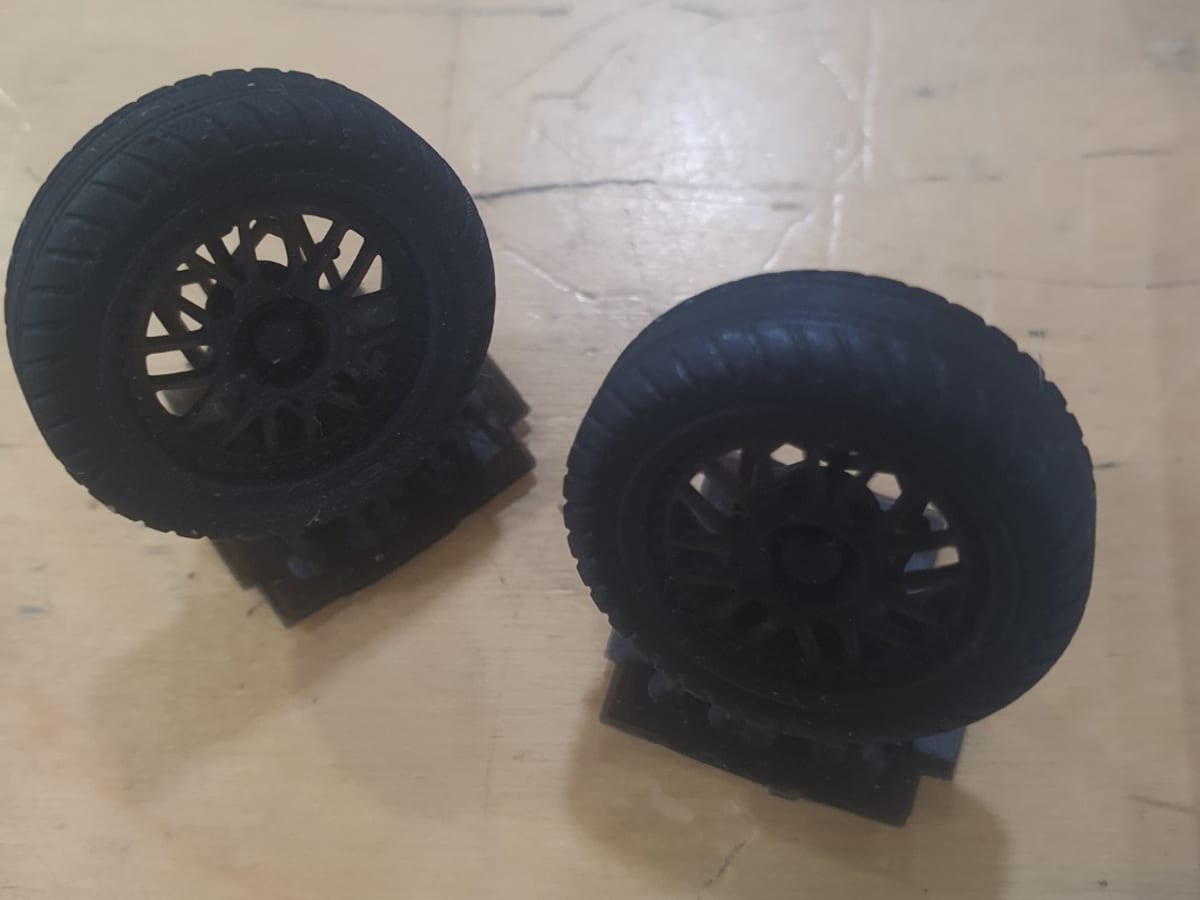
Scale model car tires
DLP · Flexible resin
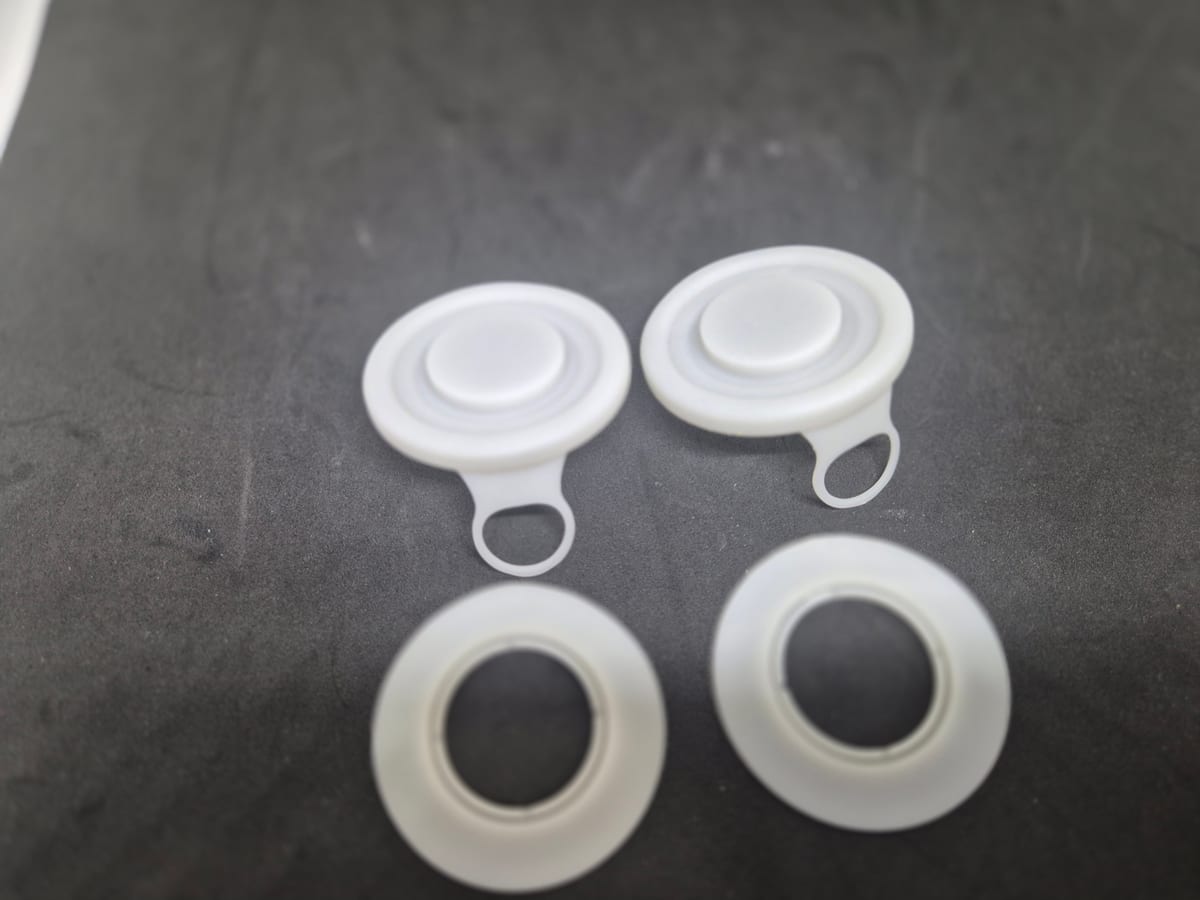
Bottle cap prototype
DLP · White resin
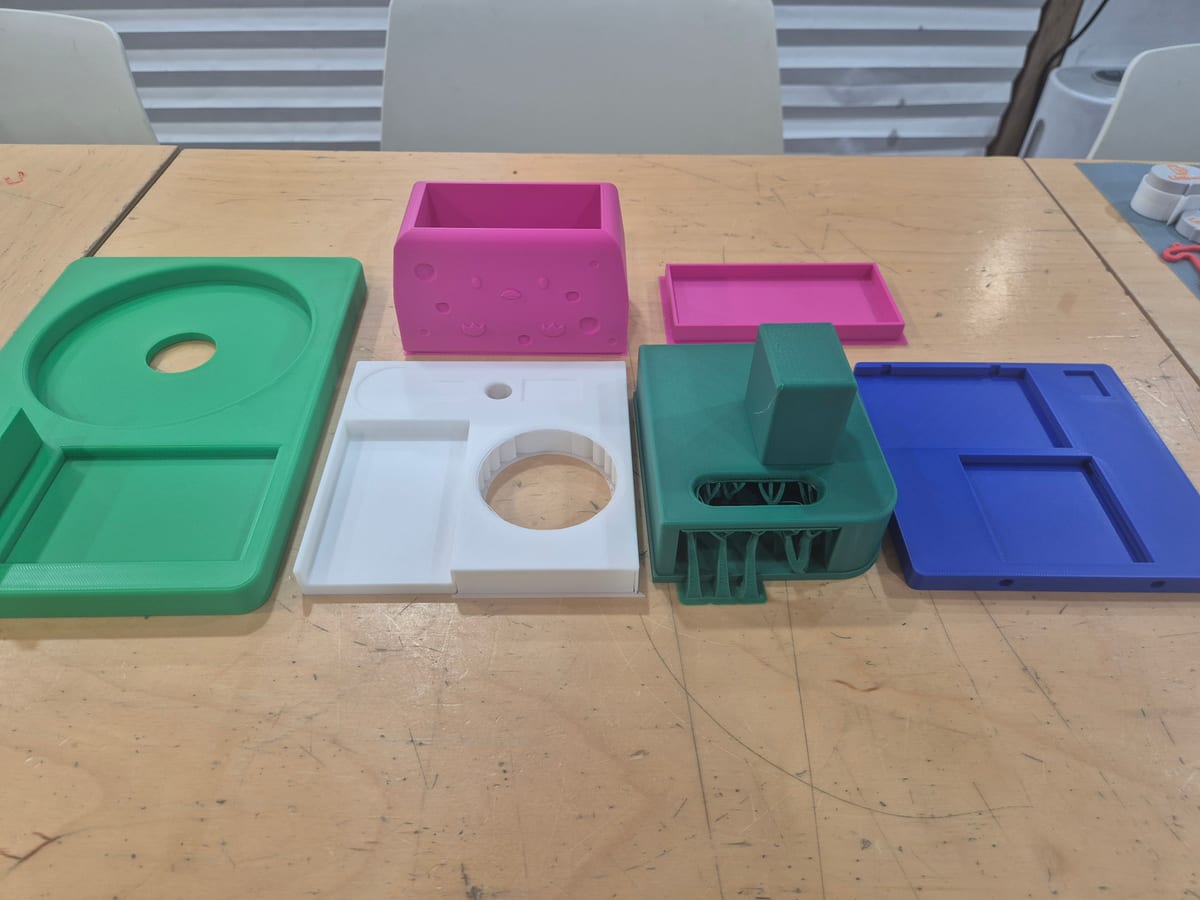
Arduino product enclosure
FDM · PLA
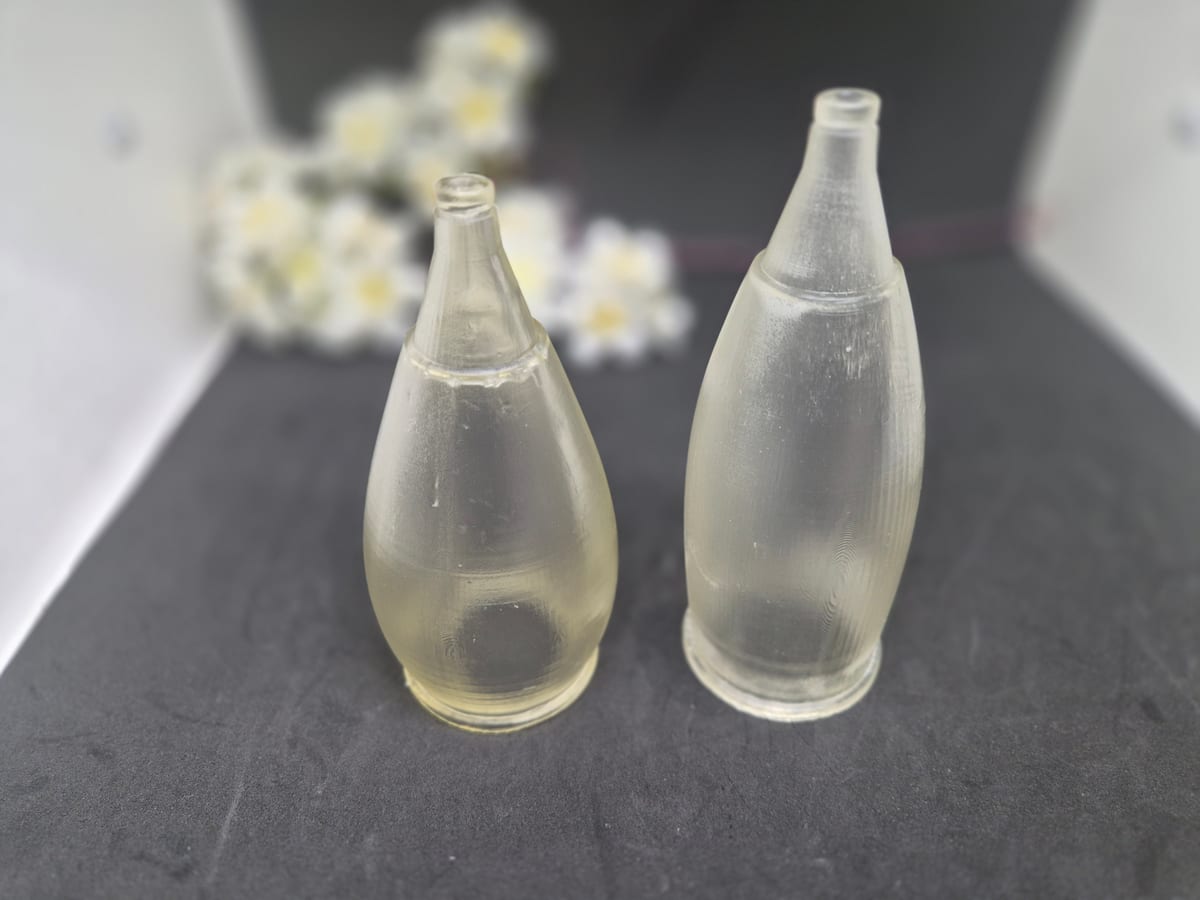
Clear bottle prototype
DLP · Clear resin
Lower infill and higher layer height usually move the quote most. Compare options in live auto-quote.
Keep critical visible faces finer and use economical settings for hidden or internal areas.