PLA
Easy to print—great for general prototypes and education. Common for appearance checks, display, and early idea validation.
A clear comparison of the FDM filaments people ask about most: PLA, ABS, PETG, and PC. Use strength, heat resistance, print difficulty, post-processing, and recommended uses to decide which fits.
Quick answer
Choose PLA for easy-to-print visual prototypes, ABS for heat- and impact-resistant housings and assemblies, PETG for functional parts that need a balance of strength and print stability, and PC where even ABS isn’t enough for heat or impact. Heat deflection is roughly 55–60 °C for PLA, 70–80 °C for PETG, 90–100 °C for ABS and 110–130 °C for PC.
By Seo Jeongju, CEO of WOW3DLast updated First published
Tap a material name or cell in the table, or a card below, to see its detailed guide.
| Item | ||||
|---|---|---|---|---|
| Traits | Easy to print; good for visual prototypes | Strong heat & impact resistance | Balance of strength and print stability | Top-tier strength and heat resistance among FDM materials |
| Best for | Design mockups, education, display | Housings, functional tests, assembly parts | Functional parts, protective cases, outdoor structures | Parts for hot environments, electrical housings, clear covers |
| Pros | Beginner-friendly; clean surface | Great machinability and durability | Impact, moisture resistance; translucent options | Impact and stiffness; heat deflection ~110–130°C; clear options |
| Watch-outs | Limits on heat and impact | Shrink and odor; ventilation needed | Moisture control and tuned settings | High print temperature and shrinkage—harder and costlier to print |
Easy to print—great for general prototypes and education. Common for appearance checks, display, and early idea validation.
Better heat and impact resistance for housings, functional tests, and fit/assembly parts. Print environment control matters more.
Stronger than PLA and usually easier than ABS—often chosen as a balanced functional filament.
Polycarbonate offers some of the highest impact and heat resistance among FDM materials—great for parts in hot environments, electrical housings, and clear covers. High print temperatures and shrinkage make equipment and environment control important.
Easy Prototyping
PLA is a bioplastic made from plant-based sources such as corn and sugarcane, and it is the most widely used everyday material in FDM 3D printing. Low shrinkage and stable printing make it the first choice for quick, affordable form-check prototypes and design mockups.
Functional Material
ABS is a general-purpose engineering plastic used in LEGO bricks, appliance housings, and car interiors. It offers better heat and impact resistance than PLA and is easy to post-process, so it is a common pick for functional prototypes tested under near-production conditions.
Balanced Material
PETG adds glycol to PET—the plastic used in water bottles—to make it easier to print. It is tougher than PLA with better heat and impact resistance, yet easier to print than ABS, making it the go-to choice for functional parts that need a balance of strength and print stability.
Engineering Material
PC is a classic engineering plastic used in bullet-resistant glazing, helmet visors, and electronics enclosures. It offers some of the highest heat and impact resistance among FDM materials, so it is chosen for functional parts that PLA, ABS, or PETG cannot withstand.
PLA is usually the safest choice thanks to print stability and ease of use. For functional tests or more heat resistance, consider PETG or ABS—and PC when you need even higher heat and impact resistance.
Usually yes. ABS typically outdoes PLA on heat and impact—often a better fit for housings, functional test parts, and automotive or appliance prototypes.
In practice, often yes. PETG is stronger and more durable than PLA while usually easier to print than ABS, so it’s a popular balanced pick.
Choose PC when ABS isn’t enough for heat or impact resistance. With heat deflection around 110–130°C, it suits mechanical parts in hot environments, electrical and electronic housings, and clear covers. Because it prints hot and shrinks more, cost and lead time can be higher than other materials.
Real Output
Parts we printed in-house on FDM, SLA and DLP machines. See more in the print gallery.
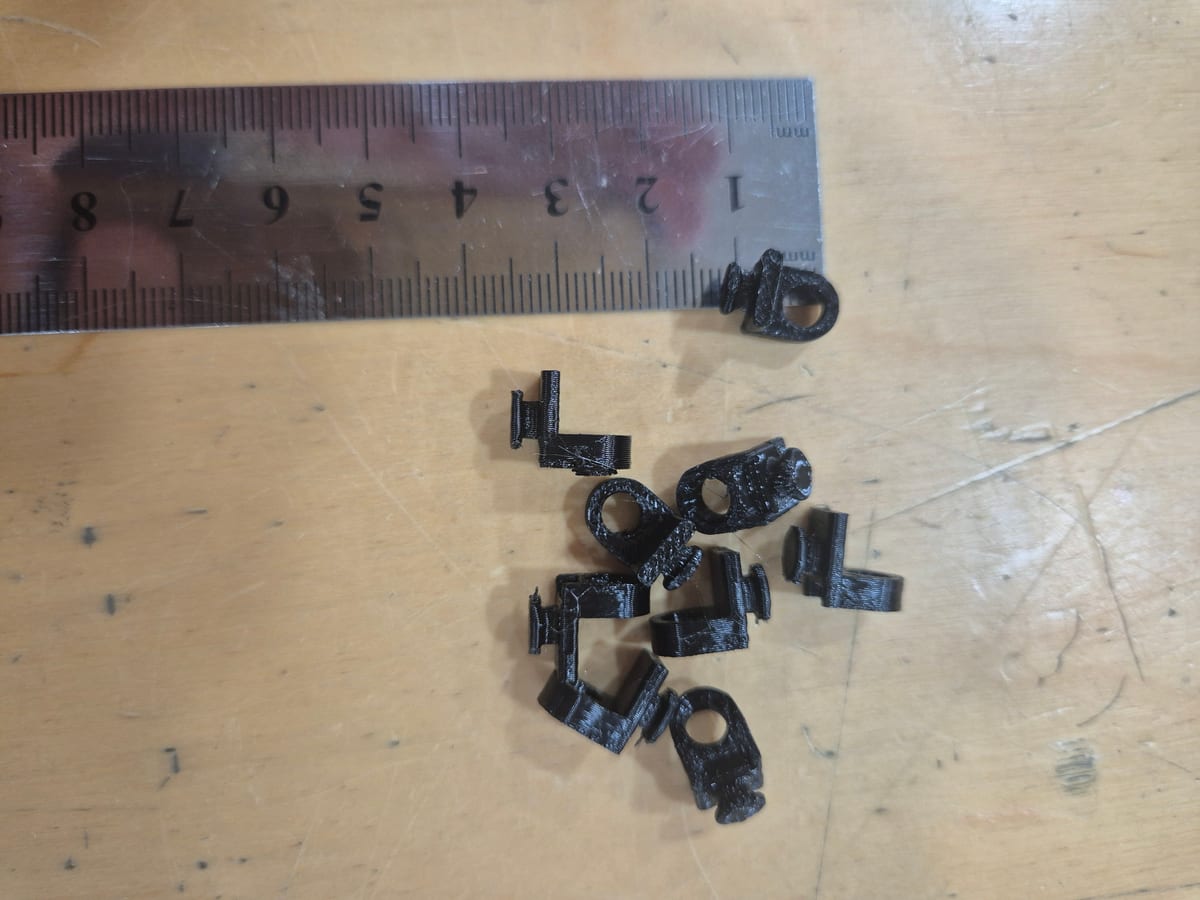
Small electronic components
FDM · PETG
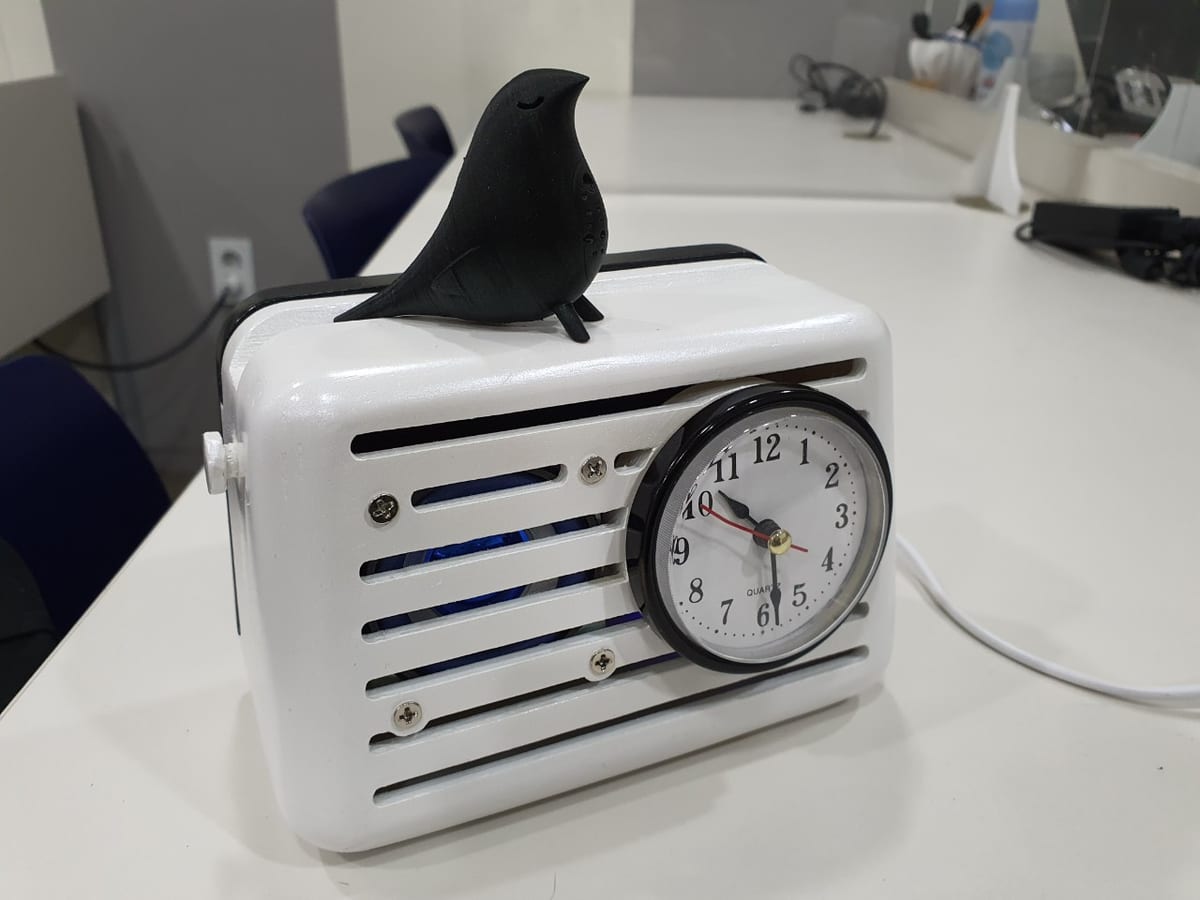
Bluetooth speaker housing
FDM · PLA
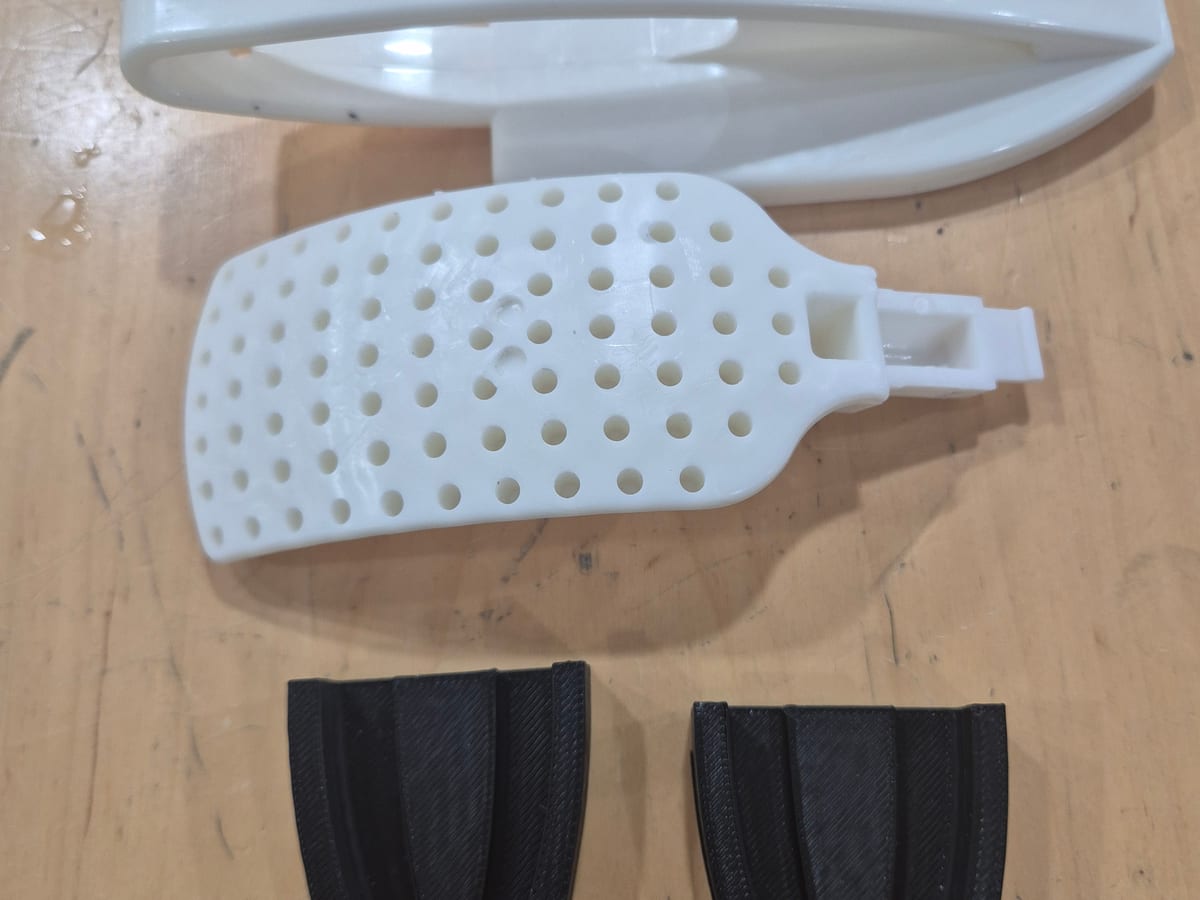
Shoe-brush production jig
FDM · ABS
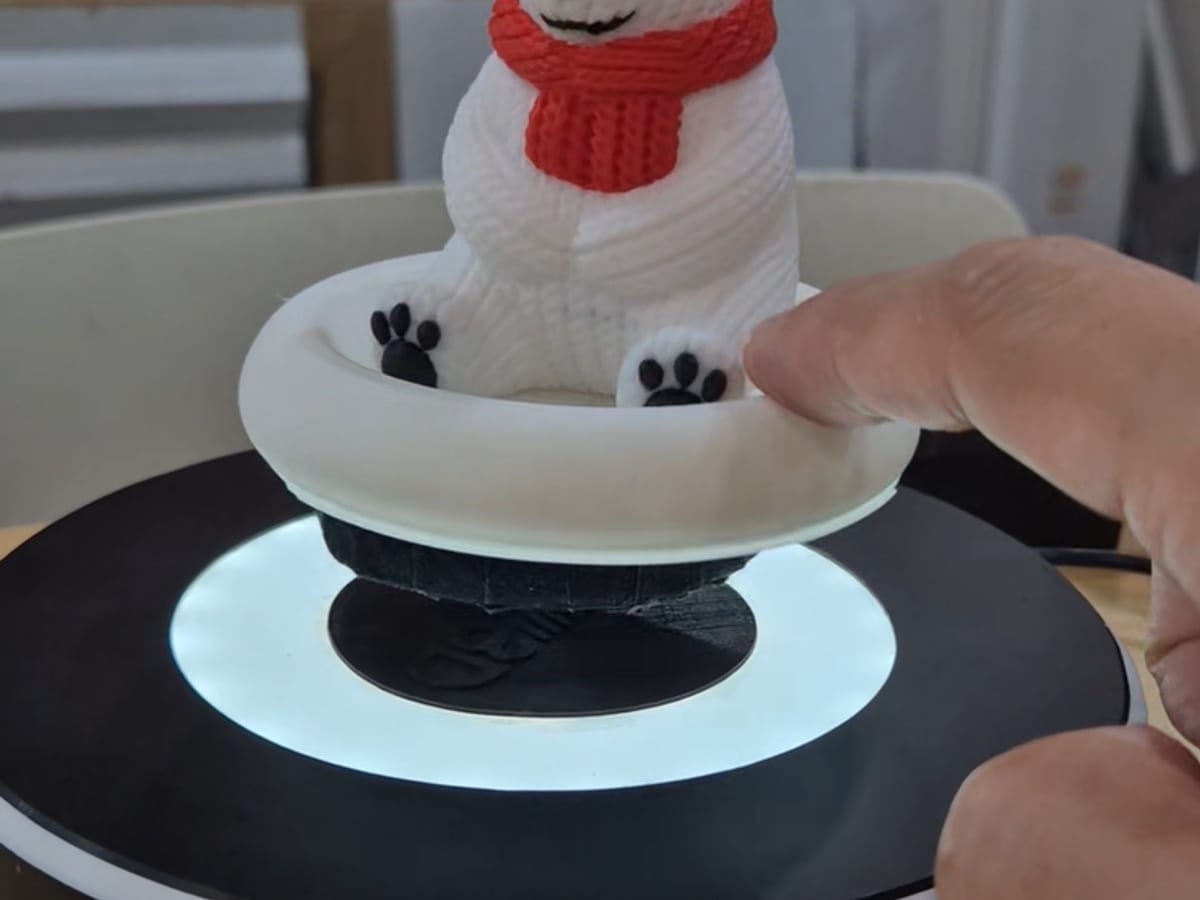
Magnetic levitation stand
FDM · PLA