Visual prototypes
Standard · Economical
Great surface quality and detail. Limited under functional loads.
- Surface · detail
- Strength
- Clarity
- Flexibility
SLA / Resin
SLA and resin 3D printing when smooth surfaces and fine detail matter most.
Quick answer
SLA resin printing suits visual prototypes, precision models and master patterns where smooth surfaces and fine detail matter, with Standard, Tough, Clear and Flexible resins. Washing and curing are included; SLA cures with a laser, while DLP cures a whole layer at once.
Smooth surfaces close to the final product look.
Complex shapes and fine micro-features.
Originals for silicone molds where the surface matters.
Small models that demand intricate detail.
How Resin Works
Resin parts are finished only after washing and post-curing — we handle that too.
STEP 1
Standard for looks, Tough for tests, Clear for transparency, Flexible for give.
Output
Resin selected
STEP 2
SLA cures point by point with a laser; DLP cures a whole layer at once.
Output
Printed part
STEP 3
Excess resin is washed off and the part is post-cured.
Output
Post-processed
STEP 4
Support marks are cleaned up and the part is checked before shipping.
Output
Typically 3–7 days
Resin
Standard for appearance, Tough for functional tests, Clear for transparent parts, Flexible for cushioning.
Great surface quality and detail. Limited under functional loads.
Strong and impact-resistant for fastening and fit checks. May cost more.
High transparency after post-processing.
Allows deformation and absorbs shock. Affected by hardness and storage conditions.
Bars reflect general tendencies from our resin guide; results vary with geometry, thickness, and post-processing.
Real Output
Parts we printed in-house on FDM, SLA and DLP machines. See more in the print gallery.
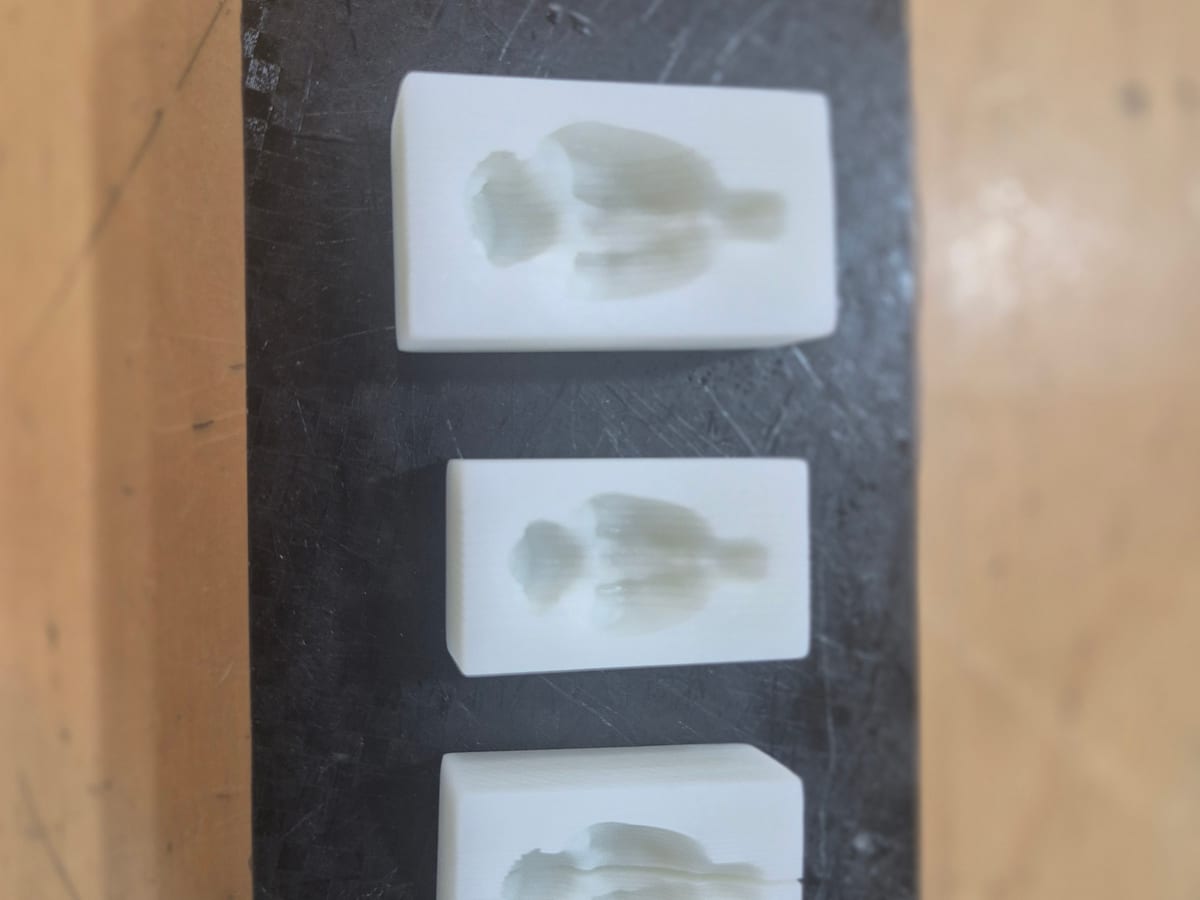
Micro precision part
SLA · Resin
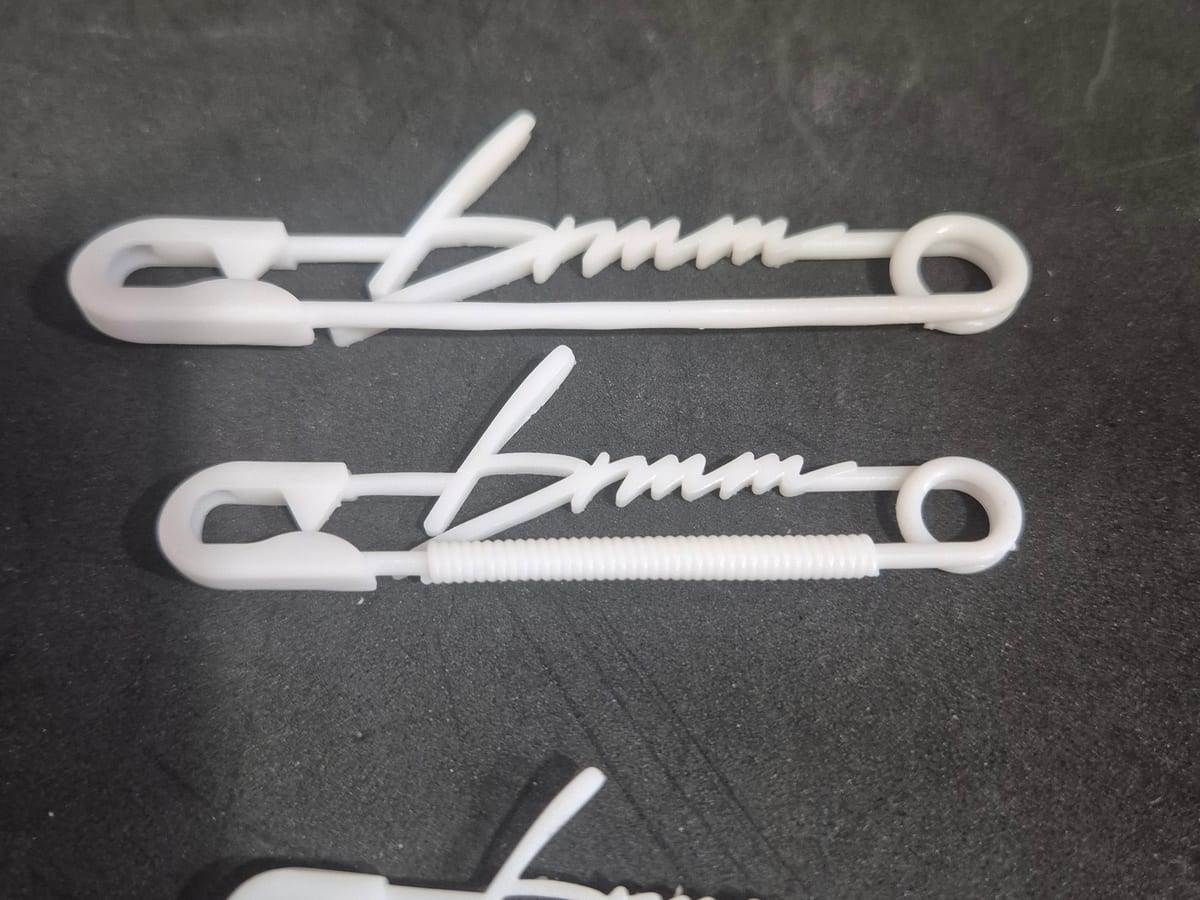
Fashion accessory
DLP · Resin
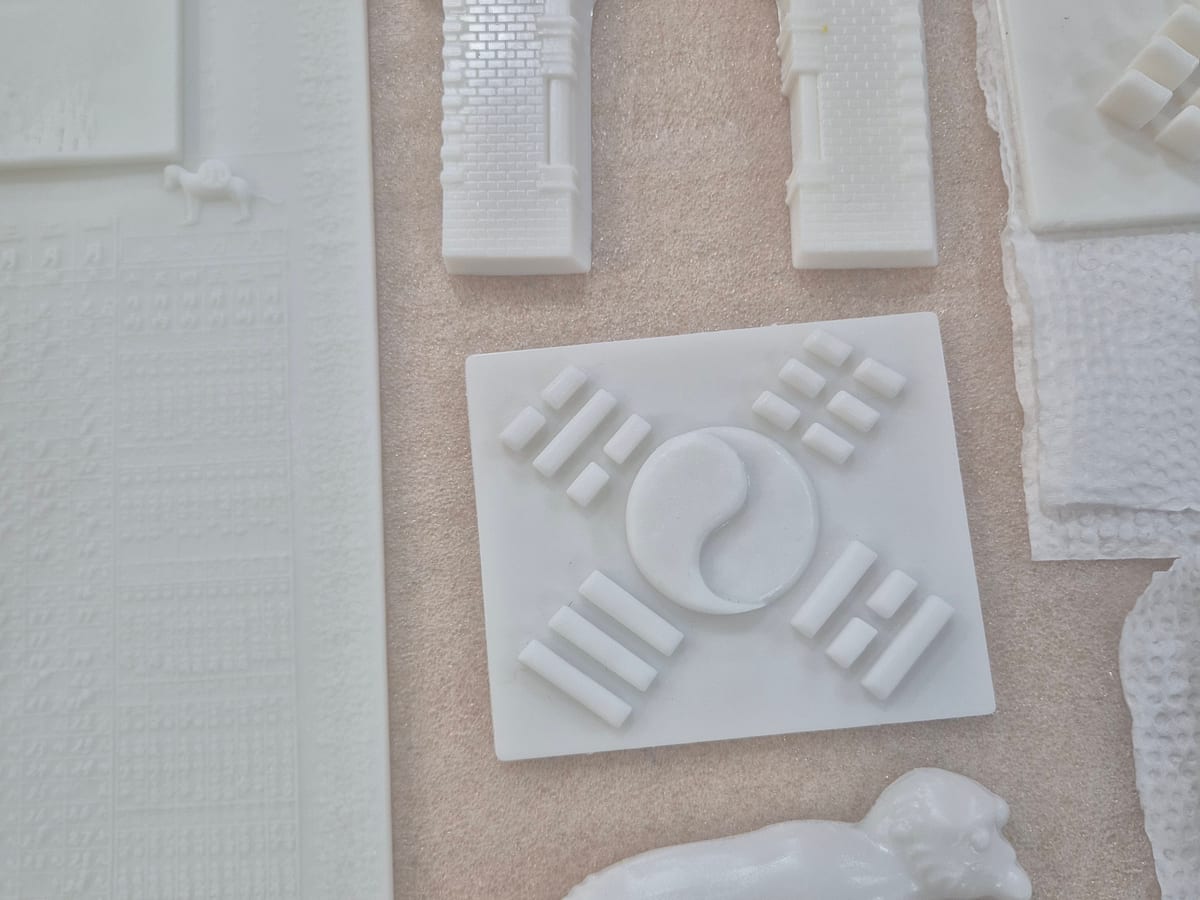
Museum exhibit models
SLA · White resin
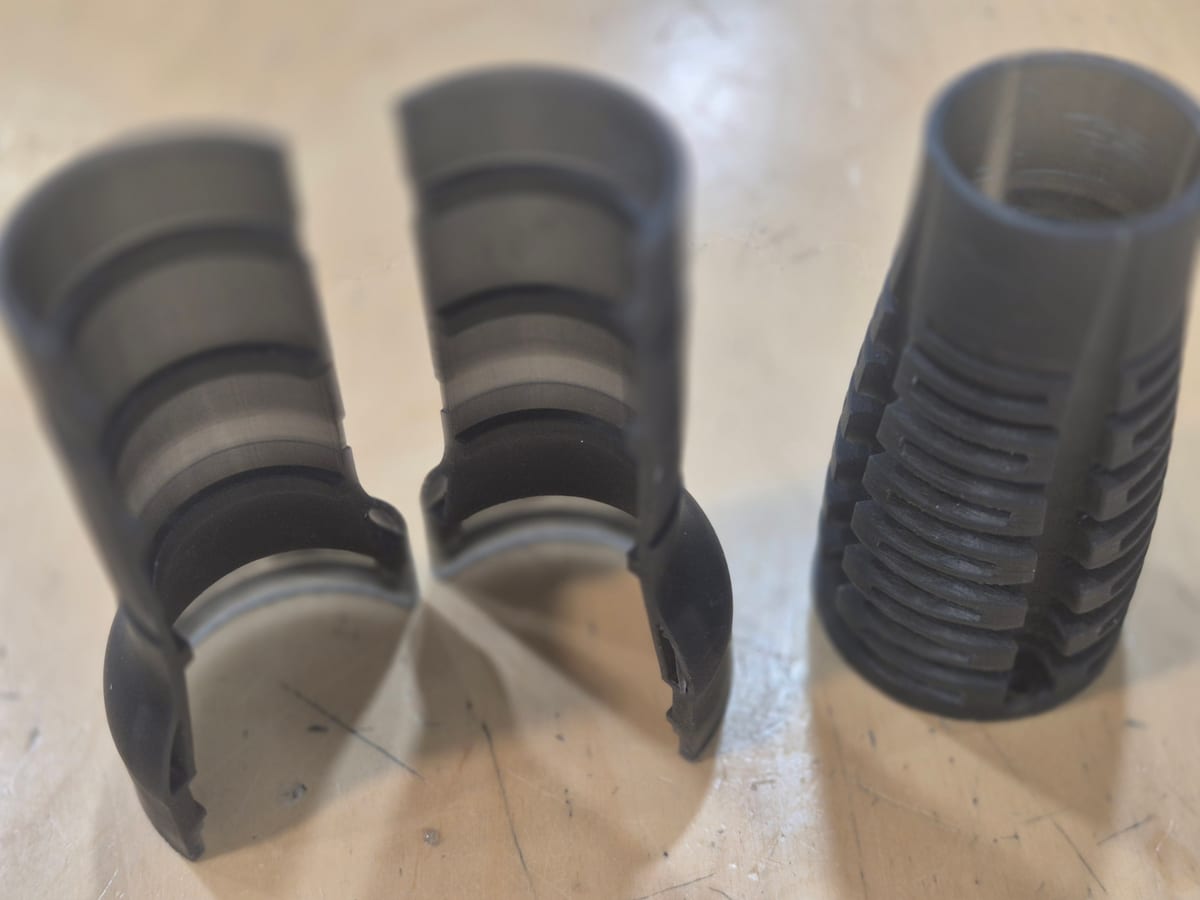
Flexible resin mechanism
DLP · Flexible resin
SLA vs DLP
Both are precision processes that cure the same resins with light. How the light is applied changes speed and equipment traits.
SLA
DLP
When surface quality, fine detail, and appearance prototypes matter — SLA/DLP resin is recommended.
It depends on process, material, and finishing. Leave clearance for assemblies using our tolerance guide.
Both use resin. SLA scans with a laser; DLP cures a full layer at once — speed and machine traits differ.