01Massing / large
FDM · PLA (white / grey)
For massing and site models, FDM gives the best value.
- Detail
- 2/5
- Strength
- 4/5
- Large parts
- 5/5
- Cost efficiency
- 5/5
Use Case · Architecture
FDMArchitectural models shrink buildings to 1:100 or 1:200, so thin elements such as window frames and railings easily fall below printable thickness. Adjust thickness to the scale and the print will succeed.
Quick answer
Scaling a building down often makes window frames and railings thinner than can be printed, so keep walls and columns at least 1.2 mm for FDM and 0.8 mm for resin. FDM PLA is the most cost-effective for massing and site models, while Standard resin renders detailed models with windows and railings crisply.
By Seo Jeongju, CEO of WOW3DLast updated First published
For massing and site models, FDM gives the best value.
Detailed models with windows, railings and stairs come out crisp in resin.
General tendencies on a 5-point scale. Real results depend on geometry, size and material.
Keep walls and columns at least 1.2mm for FDM and 0.8mm for resin. Always recheck thickness after scaling.
Models larger than the printer are split by floor or block and assembled. Add alignment pins at the split for easy assembly.
Files exported from SketchUp or Rhino often have holes or flipped faces. Run them through the free STL checker first.
If you have a fixed deadline, tell us when you order. Large models can take several days to print.
Sample price
We have pre-filled the price calculator with 200×150×80mm. Change the size, material and quantity to compare prices.
See a price in the calculatorExact quote
Upload STL, OBJ, 3MF or STEP and we analyze volume and supports to price it instantly. No sign-up needed.
Real Output
Parts we printed in-house on FDM, SLA and DLP machines. See more in the print gallery.
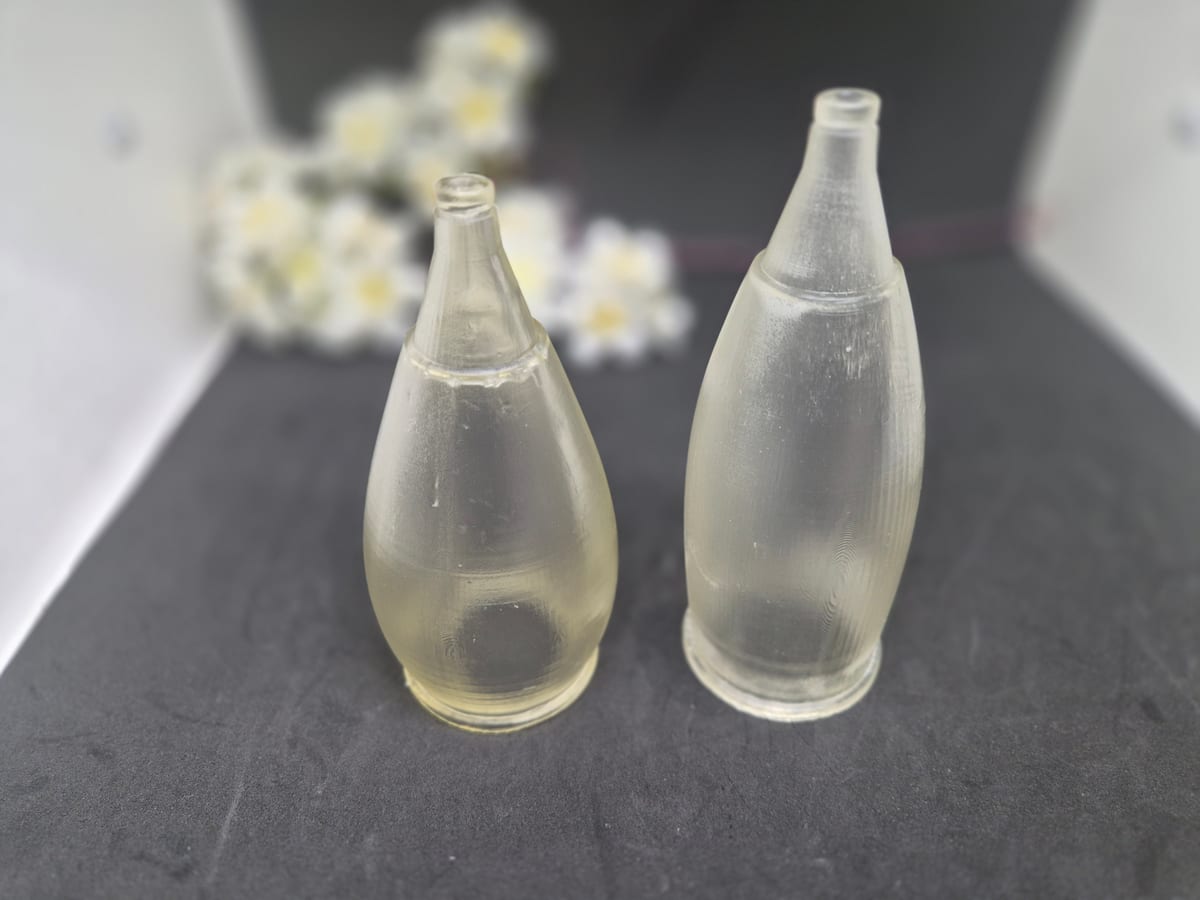
Clear bottle prototype
DLP · Clear resin
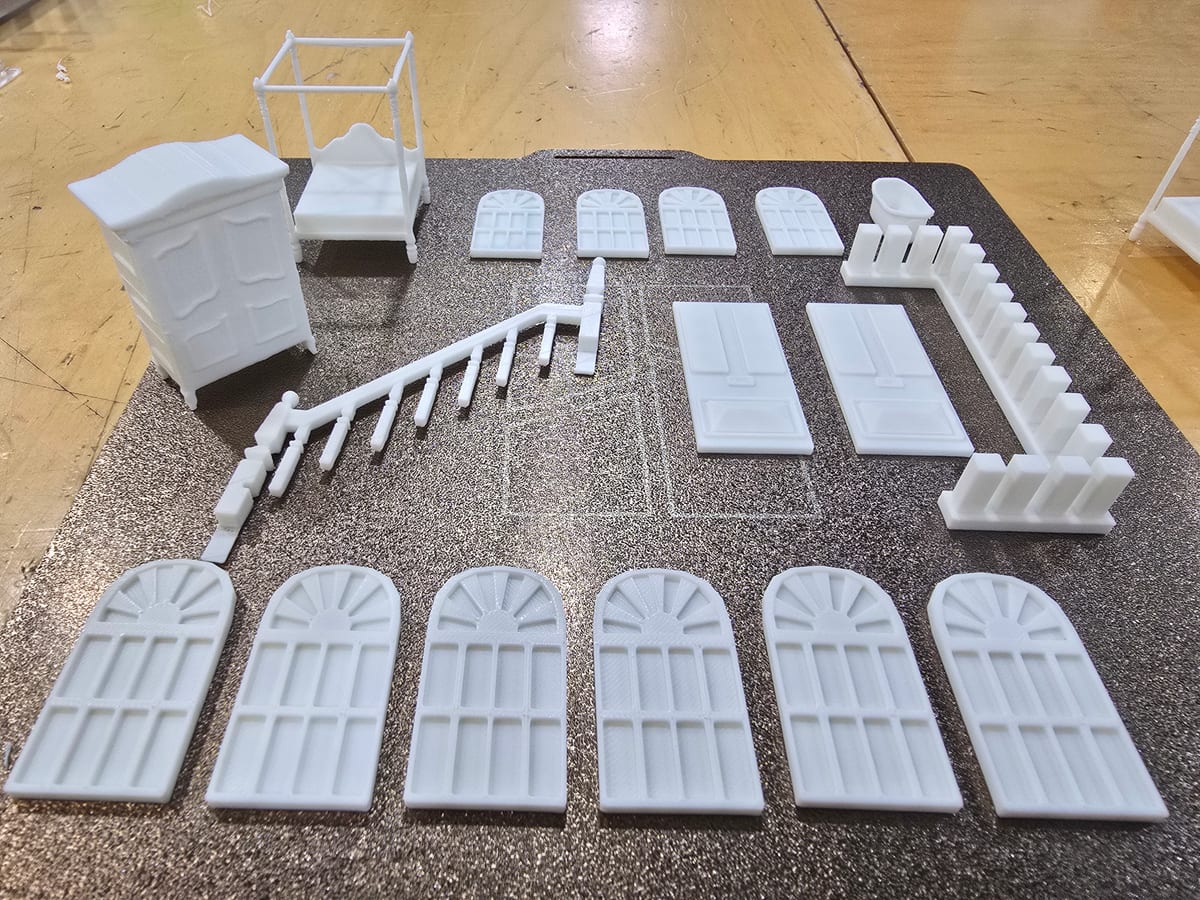
Architecture graduation model parts
FDM · PLA
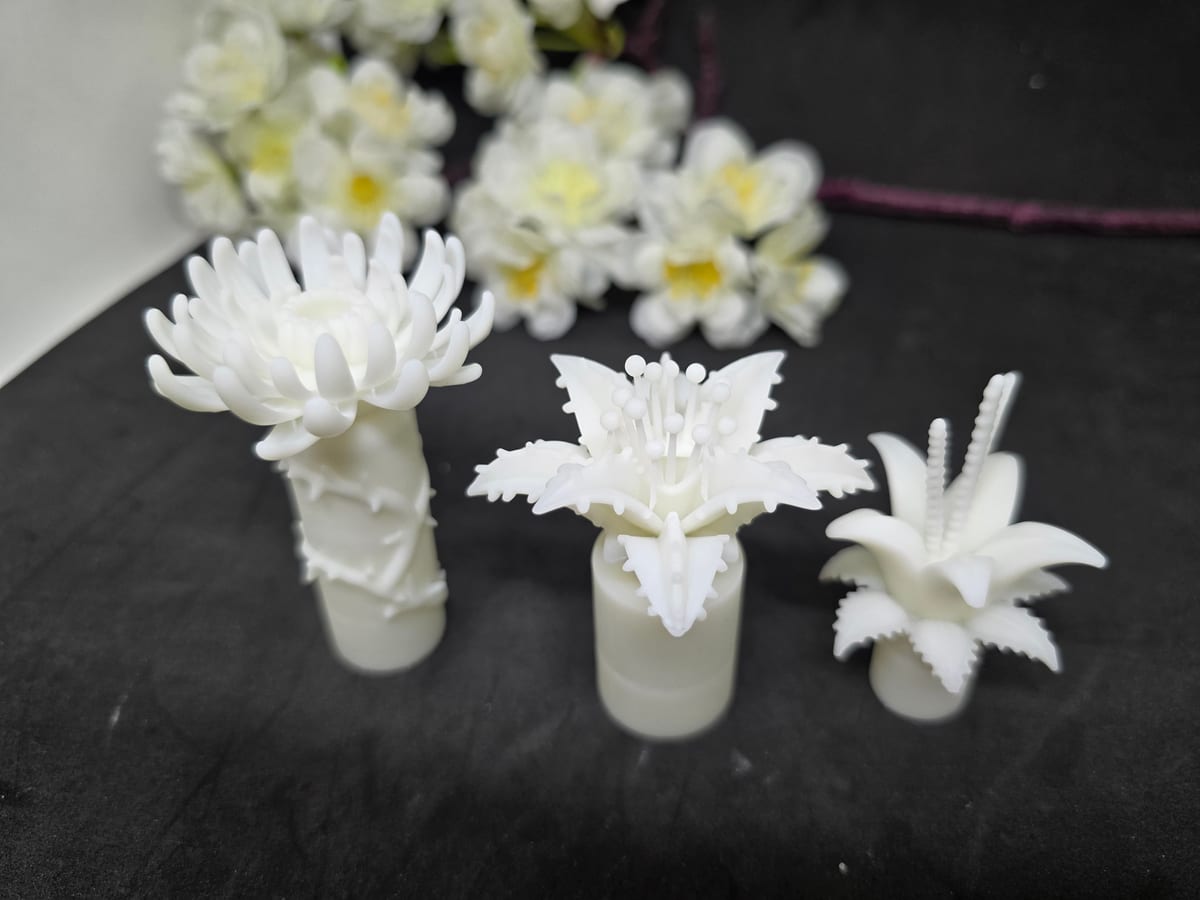
Flower sculpture
DLP · White resin
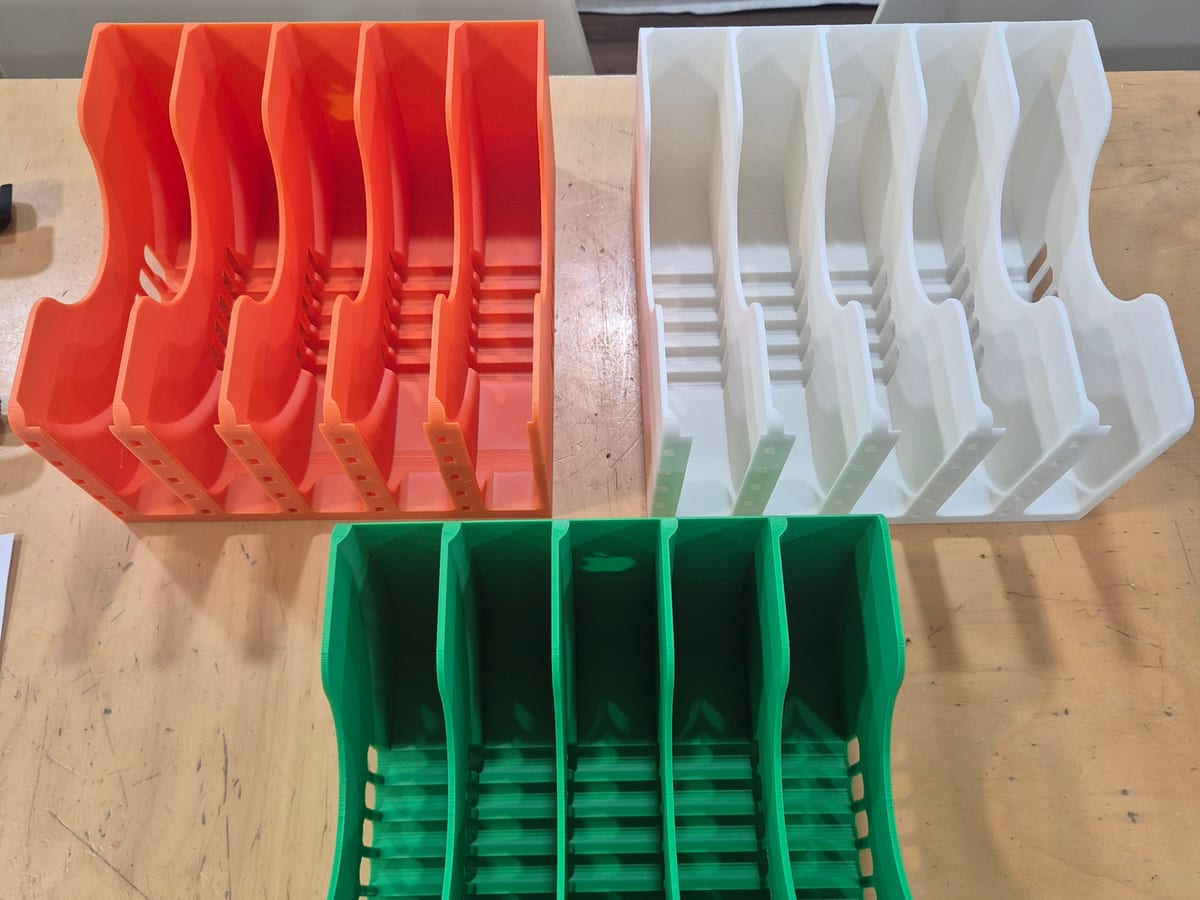
Mac mini storage tray
FDM · PLA
It depends on size and quantity, but most orders ship within a few days. Tell us your deadline and we will suggest a suitable method.
Export to STL, OBJ, 3MF or STEP and upload. You can check the export for errors with the STL checker first.
Printing parts in separate colors and assembling them gives the cleanest result. Architectural models are usually printed in white for a uniform look.